By Ana Clemente

Random Words

1.piano

2.toddler

3.beer

4.phone

5.Hades

6.office

7.fair

8.Orlando

9.youtube

10.university

11.star

12.street

13.toothbrush

14.Inn

15.party

16.pong

17.lobby

18.hand

19.duvet

20.dream

21.canvas

22.club

23.dress

24.witch

25.necklace

26.blanket

27.drink

28.church

29.cheesecake

30.coke

31.kitchen

32.shoes

33.ticket

34.glass

35.microscope

36.vodka

37.booth

38.lamp

39.jazz

40.ring

41 toilet

42.hall

43.ornament

44.food

45.shack

46.horse

47.pizza

48.comedian

49.garbage

50.mountain


1.dream – toilet

2.inn– which

3.Hades –garbage

4.shack – piano

5.mountain – Vodka

6.drink – phone

7.tickets – YouTube

8.lobby – gray

9.cheesecake – church

10.comedian– ornament

12.horse – Coke

13.glass- camp

14.duvet – fair

15.microscope-jazz

16.lamp – pizza

17.necklace– Toothbrush

18.vodka-Mountain

19.pong-canvas

20.dress-hand


Design and Play Reading Response

My thoughts on the reading “ Design and the Play Instinct” by Paul Rand is design has to come from a source. I think in design there has to be some sort of structure. Designers will always go with some fancy over-the-top design over something simple, they just want to show off their “skills” within design. Rules and structure help build an organized and knowledgeable designer. As artists we always start off with other artists teaching us. No matter how much a teacher tries everything they say rubs off onto the student, the rules help both the teacher and student stay on common ground and have no biased within what looks nice vs. “test of skill”. There are many examples of this throughout history. “De Stijil encouraged functional use of material and meaningful form.” This reading talks about a very controversial topic, and was very helpful with my thoughts on design. Rand describes some different basics, such as composition, placement, color, and contrast. The importance of geometrics helped a lot with my thought about the need for a layout. Throughout this reading Rand enforces the importance of simpleness, and teaches disciplines involving good design. Through structure and form, there is a base line to work off of or completely go the other direction from.

5 Classic Typefaces

I came to the conclusion that I like Baskerville and Century the most. Both of them are serif fonts and after reading about the 5 classic types faces, they both stuck out to me. They have unique thick and thins, which I think personally adds character and depth. They flow well and are not hard to read. Baskerville specifically has curvy smaller serifs. For instance, I like how the g is very sophisticated, and the y is fat at the end. While Century has a similar look but with larger serifs. Century’s style is rounded, and Baskerville is thin and classy. Many would say these typefaces look unfinished, but I think that is a positive aspect. When you read text you don’t want it to look boring and similar and you also don’t want it to look too crazy. These typefaces are a great in between.

Helvetica Neue is one of my least favorites. The thick line that never changes, and the type not having any serifs makes it bland. However, I do think Helvetica Neue is best used when there are any road signs or bus signs because its the easiest font to read. Century and Baskerville have sophisticated serifs and shape but Helvetica Neue is pretty straight forward.


Design Comparison

Moulin Rouge, Henri de Toulouse-Lautrec (1891)

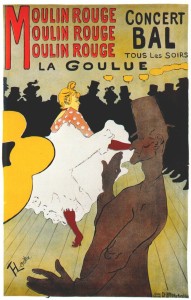
Henri de Toulouse-Lautrec (1864-1901) was a French painter, printmaker and illustrator. As an artist he made many strides in the Art Nouveau movement. The “Moulin Rouge” piece stood out to me the most out of his work, because of it’s sharp figures and strong use of color.Throughout his life Lautrec traveled through France depicting the nightlife of mostly Paris. Lautrec’s most influential medium was in his commercial advertising, and events in theatre. Some of the movement’s pieces were influenced by Japanese art forms and woodblock prints. Lautrec was influenced by the japanese woodblock, creating contrast with sharp lines and even exploring new forms of typography that was fairly new for the time. He furthered the possibilities of poster arts through his use of color and typography. The fun vibrant setting shown through the people dancing is used to spark the audience’s attention, which is does for me.


Dylan, Milton Glaser (1966)

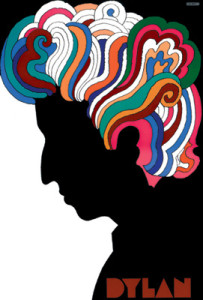
Milton Glaser (1929-Present) is an American graphic designer who was responsible for creating the I <3 New York Logo and many other logo pieces but for my comparison I am more interested in his advertisement for Bob Dylan. In this piece “which became an icon for the 1960’s experience, brought psychedelic language to mainstream America” (Guide to Graphic Design, 64). Through the piece he created a state of mind, with just the color and line. “The contrast of vivid colors with the dark silhouetted profile reflects Glaser’s response to the Modernist “Less is more” dictum: “Just enough is more.” (Smithsonian, Sign of the Times, Edwards, 1)


The rise of rock ’n’ roll in the 1960s, generated a particular genre of poster art similar to the rise of poster artwork in the Art Nouveau era of the early 19th Century. Henri de Toulouse-Lautrec and Milton Glaser works share a similar style in color and emphasis on the figure. Glaser said he “was interested in Art Nouveau at the time”. “That was an influence for the colors and shapes in the picture.” Glaser’s piece depicting Bob Dylan with kaleidoscopic hair, has been described as “psychedelic” and is often associated with rock posters. Lautrec’s most influential medium was in his commercial advertising, promoting scenes and events in theatre within the arts much like Glaser’s promotion for Dylan.

bob-dylan-poster-milton-glaser Dylan, Milton Glaser, 1966

Lautrec_moulin_rouge,_la_goulue_(poster)_1891Moulin Rouge, Henri de Toulouse-Lautrec (1891)

Graphic Design is…

Perspective:

Graphic Design brings together art, science, technology, and communications. Designers must have the knowledge in these areas to succeed in this career. In this field you must work well with others and develop images to represent the ideas clients or companies want to communicate. Graphic Design is part of our daily life and becoming more and more common.


Graphic Design is…

Mess / Pleasure / Attraction / Identity / Persuades / Informs / Message / Stage / Propaganda / Power / Tool / Personality / Emotion / Way of Life / Choice / Emoji / Elementary, my dear Watson! / Sexy / For people / Information Overload / Malleable / Things you never thought was Graphic Design / Story / Venerable / Psychic / Smooshy / Squishy / Adobe Photoshop $80, Print & Transfer Paper $10, This T-Shirt, Priceless. / Instructions / Fresh / Refurbished / Modern / Downloadable / Cover of a good Book / Ads you watch on TV / Poster of a Good Movie / Trick /Making people believe / Wish upon a star / Staying up till 3am / 3 hour Critique / Smiles back / Game of Life / War between your head and hand / Character / Spacing / Alignment / Outside the Box / Unique Perspective / Art / Capable of turning Water into Wine


Quotes:

“Good design is all about making other designers feel like idiots because that idea wasn’t theirs.”

-Frank Chimero

“The Public is more familiar with bad design than good design. It is, in effect, conditioned to prefer bad design, because that is what it lives with. The new becomes threatening, the old reassuring.”

-Paul Rand

“A Designer is a planner with an aesthetic sense.”

-Bruno Munari

“Computers are to design as microwaves are to cooking.”

-Milton Glaser

“Digital Design is like painting, except the paint never dries”

-Neville Brody

“You have to utilize who you are in your work. Nobody else can do that: nobody else can pull from your background, from your parents, your upbringing, your whole life experience.”

-David Carson

Inspiration Images and Designs:

Thumbnails

What is Graphic Design?

Brand and Identity Design:Art Director / Advertising


The two career paths I’m interested in is becoming an art director or something within advertising design. Being an art director requires artists to develop and create an overall visual appearance for a brand or company to bring in their target audience. I would like to go into Advertising Design or marketing communication to bring in the target consumer. One aspect I would like to experience in identity design is “branding” a company from the ground up.


When I took a semester off I went to different lectures within the Creative Design fields and advertising stuck out to me. I went to a lecture at SVA and seeing their work and how they developed a image that fit the brand so perfectly made me want to go in the field.

http://www.sva.edu/undergraduate/advertising

-Video/Images on page of advertising examples.


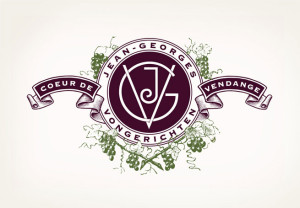
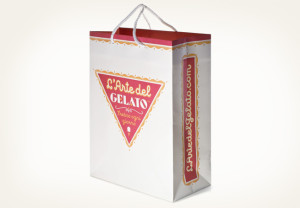
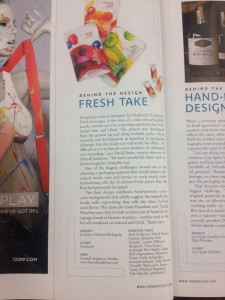
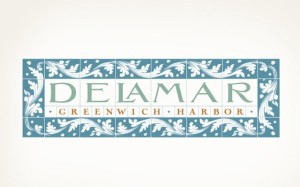
One of my favorite Graphic Designers is Louise Fili, who is featured in this months EYE issue. Within her work she has a common theme that many brands fit into. I would describe it as a elegant, old fashion, european (italian) with a simplistic design. She works off of old Italian Art Deco designs, which work with modern designs today.

http://www.louisefili.com/

-Different brands she has designed for and bio.


Publication Design: Art Director / Advertising


When working for an company an overall theme works better for me than doing freelance work. I need an object, subject, or common theme when it comes to my work or else it looks horrible. I realized I wanted to be an art director when I had an internship with a “Swag” Company. They resourced items, such as an bag, pen, or shirts, with the company’s logo and designs on them. So I was able to work with art directors and designers in creating, for instance, a BMW bag.


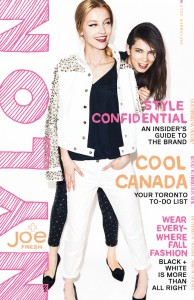
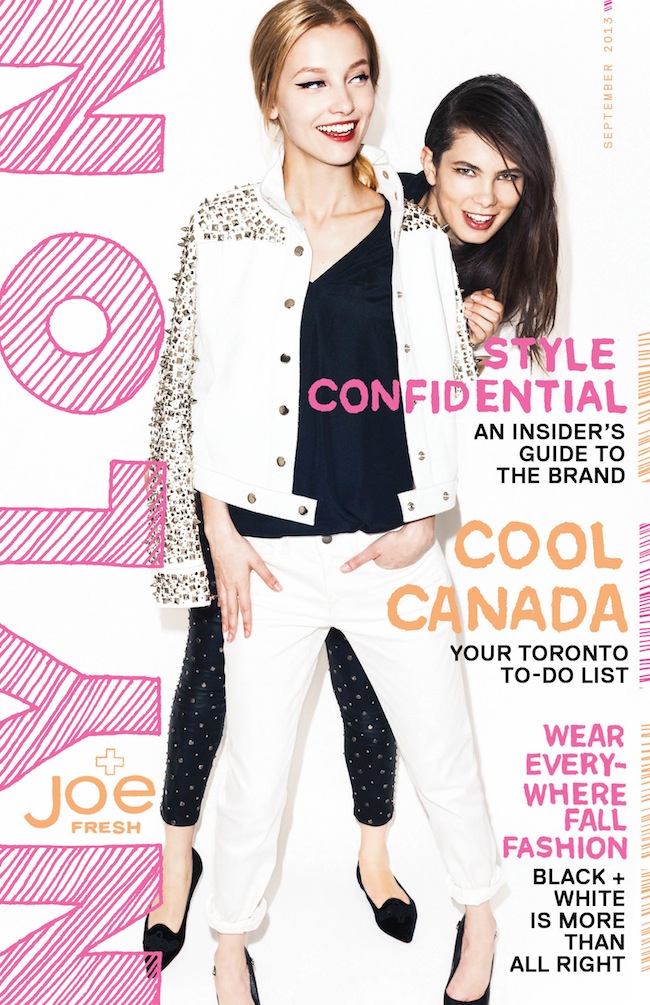
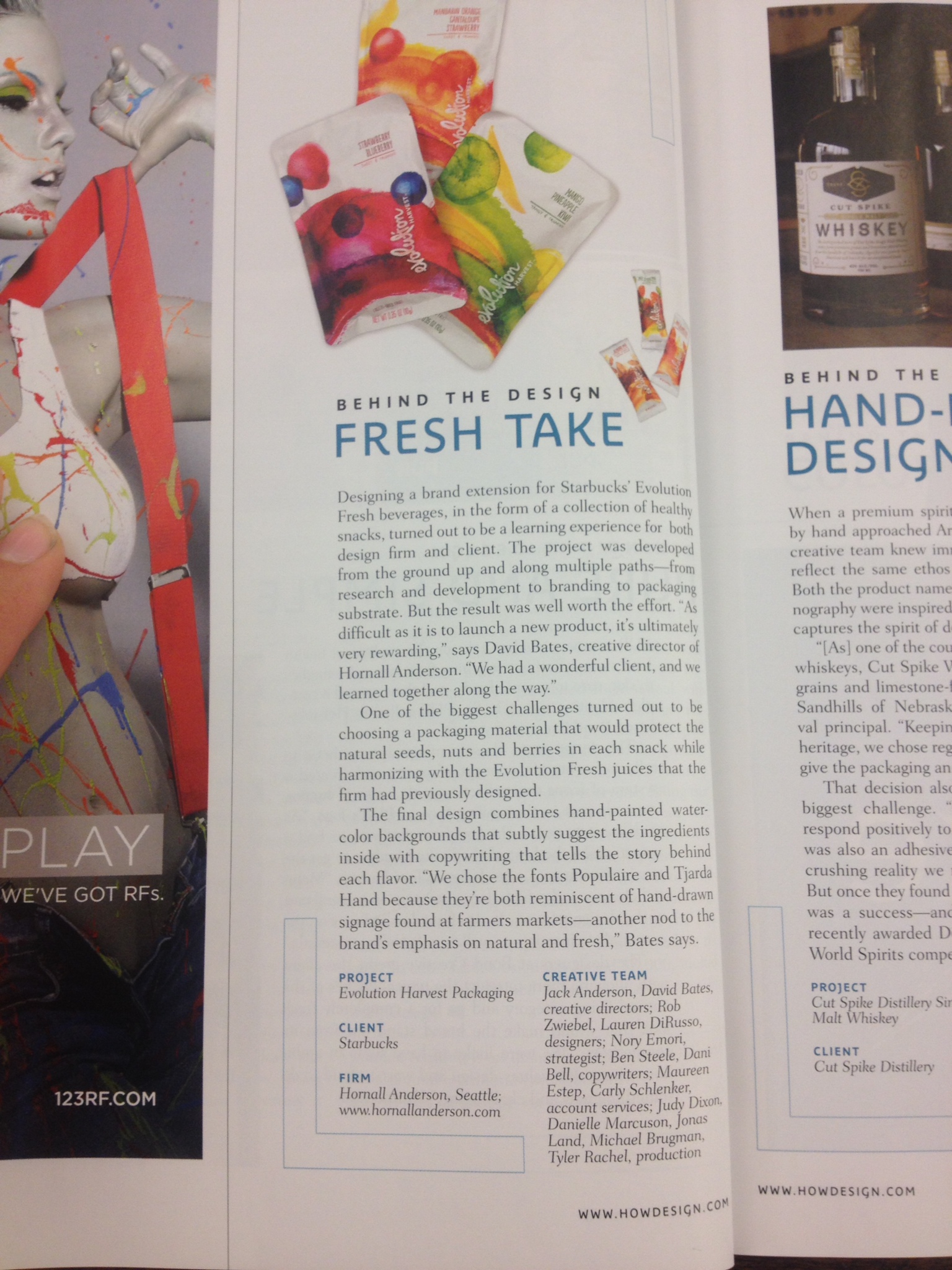
Art Directors are not always in the light as much as the artists and photographers are but I would like to become specifically an magazine art director. I love putting together and collaging spreads from an magazine. One of my favorites is Nylon Fashion Magazine. This small magazine has a great eye for detail and knows how to brand themselves on the web even better. Another magazine that is great is HOW magazine. There layout is clear and organized and looks almost like webpage itself.


This month’s issue of HOW is Adam Ladd.

http://www.ladd-design.com/index.html

-Great ideas on what Branding is, and what makes a good overall look for a brand.

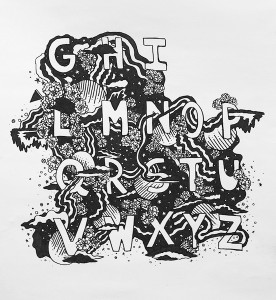
This month’s issue of Nylon is Haley Stark.

http://haleystark.com/

-Website underconstruction, but great examples of how the magazine’s image is very consistent.


Research Photos:
demar jg larte_bag

Above are examples from Louise Fili.
2 JOE_FRESH

Above work from Haley Stark.

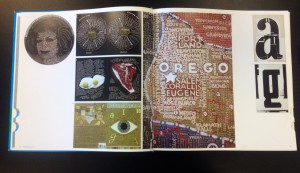
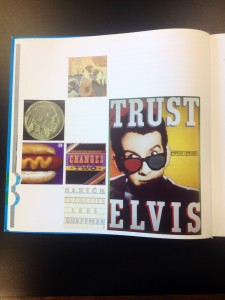
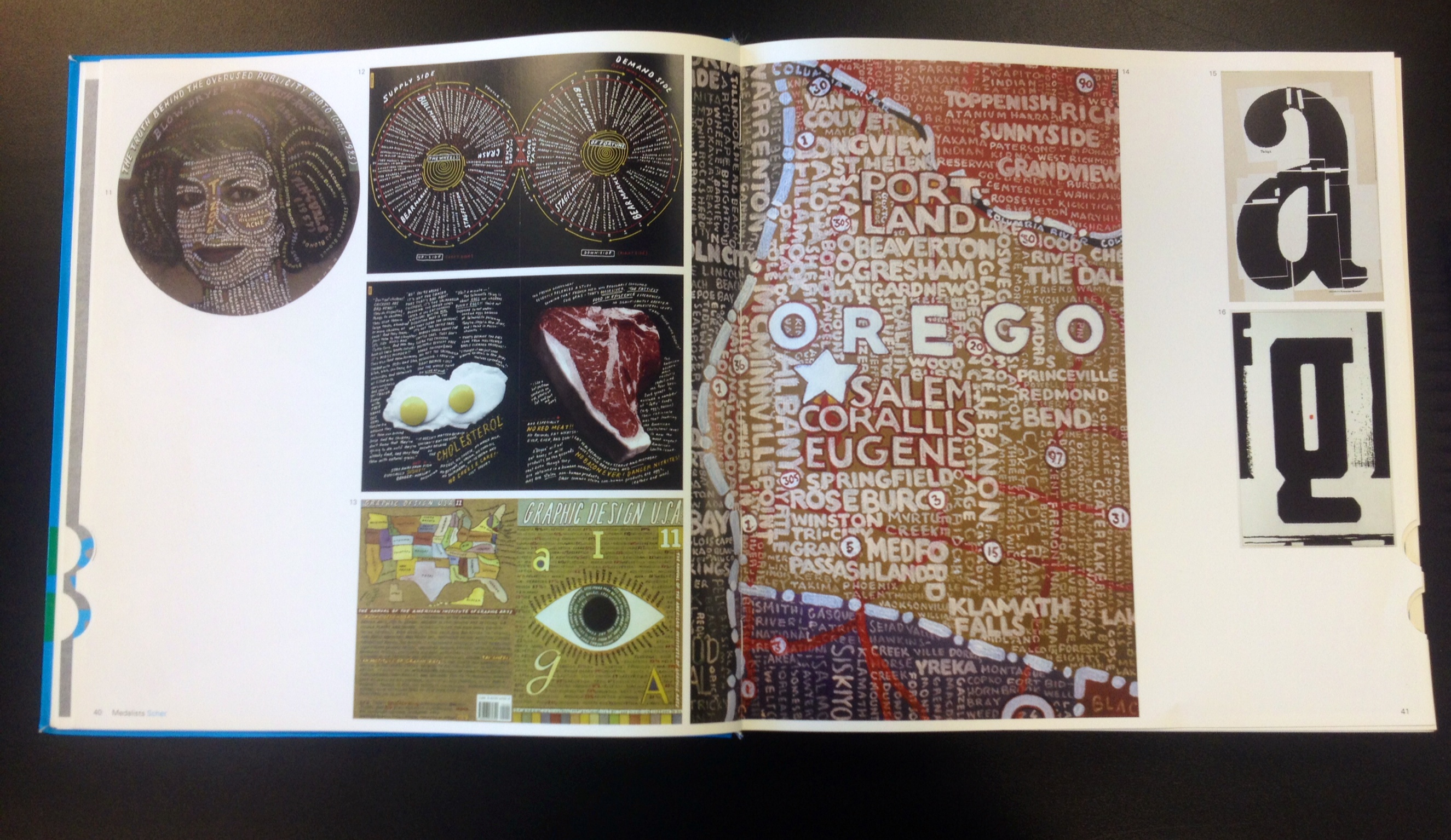
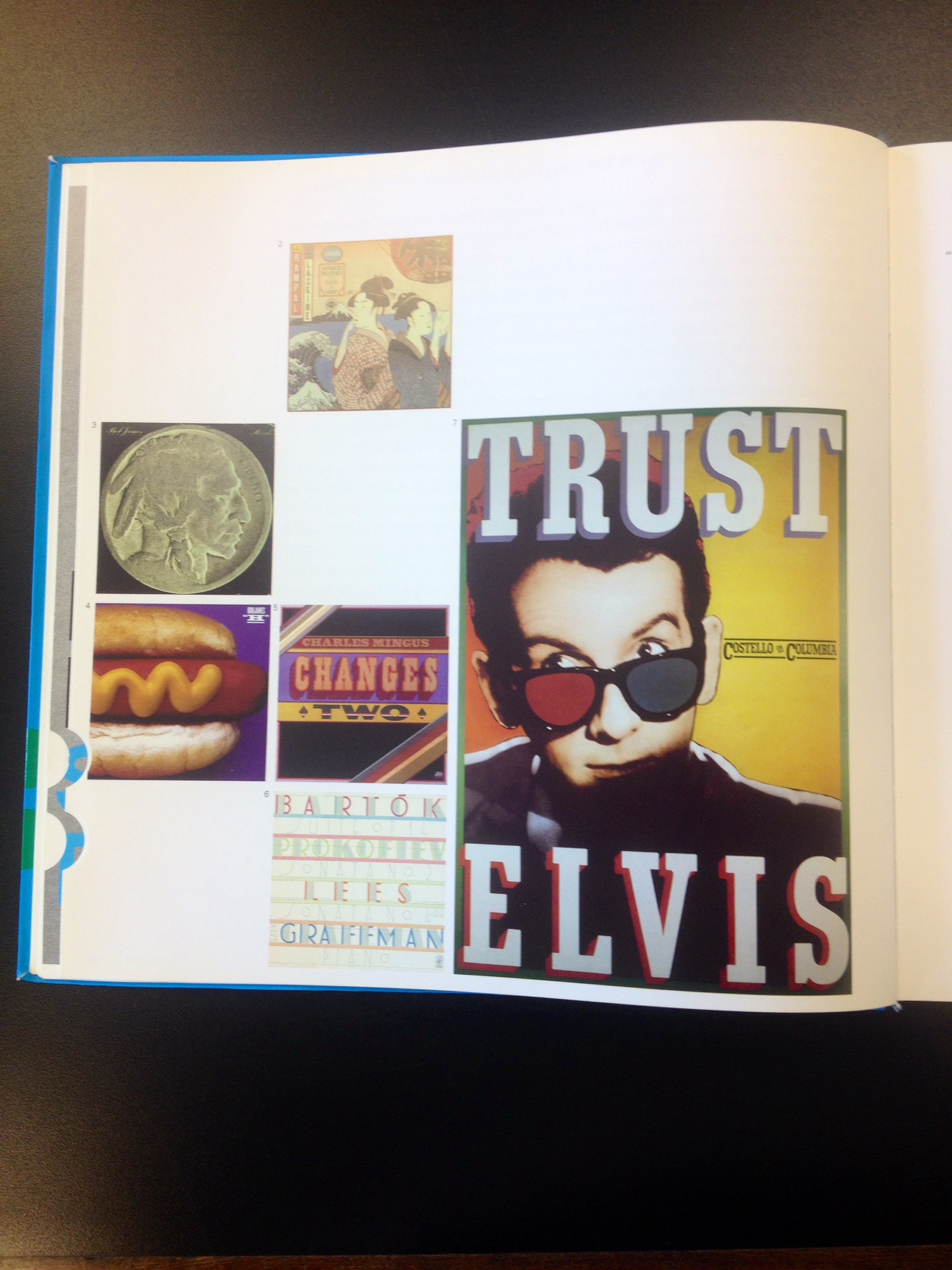
IMG_1406 IMG_1408 IMG_1445