By Scott McPhillips

Random Words

50 Words

1.Lemonade stand 2.cigarettes 3.sweatshop 4.segway 5. wallpaper 6.headphones 7.Jock strap 8.Tag sale 9.spread sheets 10. Jet Pack 11.touchdown 12.steriods 13. Persian Rug 14. caviar 15. Domestic Violence 16. Little League  17. Asparagus 18. Amy Winehouse 19. Gang Violence 20. Dennis Rodman 21.Steve Erwin 22. Tigerbalm 23. Sarah Palin 24. mullet 25. Beeper 26. Polaroid 27. Trolly 28.Project 29.Leash 30.Muzzle 31.Mouth guard 32. Drug 33. Charity 34. ottoman 35.Copier 36. Stapler 37. Parks 38.LL cool J 39. Trunk 40.Broom Stick 41.Uncle Jesse  42. Accordion 43. Chicken 44. Synthesizer 45.Kim Jung Un 46. Sloth 47.Bean dip  48.Horse 49. Jaguar 50.Cash

20 Pairs:

1. Sarah Palin/steroids

2. Little League/Touchdown

3. Domestic Violence/Jetpack

4. Asparagus/Spread Sheets

5. Amy Winehouse/tag sale

6. Persian rug/Jockstrap

7. Tigerbalm/headphones

8. Gang Violence/ Wall paper

9. General Tso/segway

10. Steve Erwin/Sweatshops

11. Caviar/ Cigarettes

12. Dennis Rodman/Lemonade Stands

13. Mullet/Trolly

14. Kim Jung Un/Accordion

15. Bean dip/Ottoman

16. LL Cool J/Mouthguard

17. Chicken/Muzzle

18. Synthesizer/Sloth

19. Uncle Jesse/ Stapler

20. Broom stick/Project
Design and Play

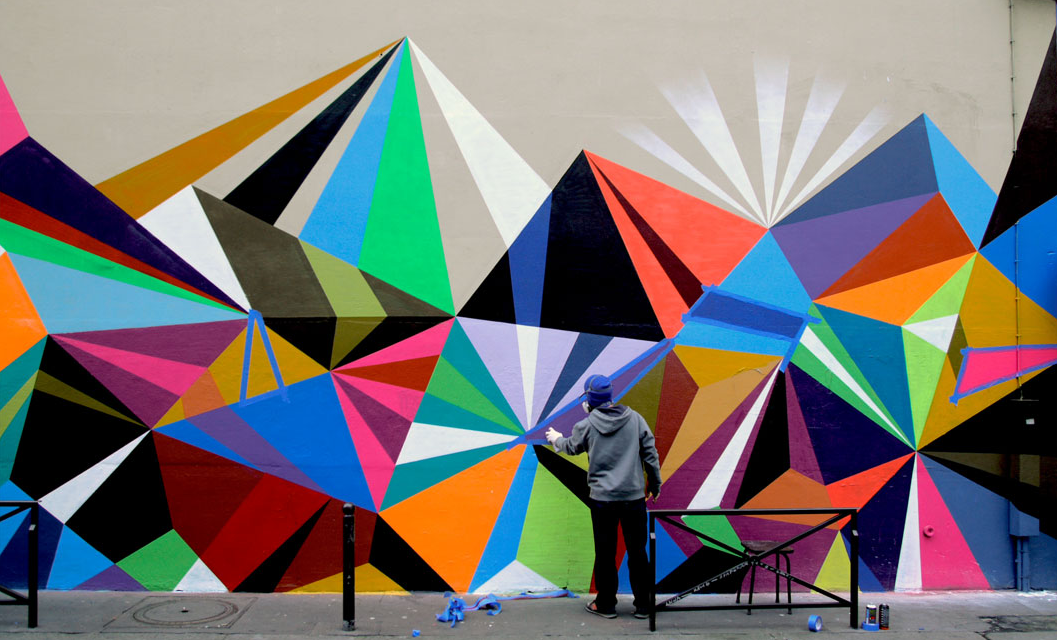
“The design and the play” article by Paul Rand discussed the multiple ways to teach, learn and practice the fundamental principles of quality design. It mentions that having all artistic freedom and no constraints is not always a good thing. In teaching design you must set guidelines, introduce a problem and invite play to find solutions. The guidelines provide direction to a lesson in design a way to learn a fundamental. Play is involved to keep ideas fresh, keep the student or problem solver interested and finally to find solutions using imagination and individuality. For example in Josef Albers paintings he used a strict geometric rubric to challenge his use of colors to eventually create a 2 demnsional image. He accomplished this by playing with the interaction of colors. This strict limited format challenges the artist to make a 3 dimensional pattern transform into a 2 dimensional image teaching the power of color theory amongst other principles. This reading also touches on the point that if there is no challenge there is no fun. There needs to be obstacles in artistic advancement, you’ll never become a gifted designer without challenging yourself to design more complex projects. Overall the article discusses the power of restrictions in design. Complex design problems can be overcome with playful solutions.

5 Classic Type Faces

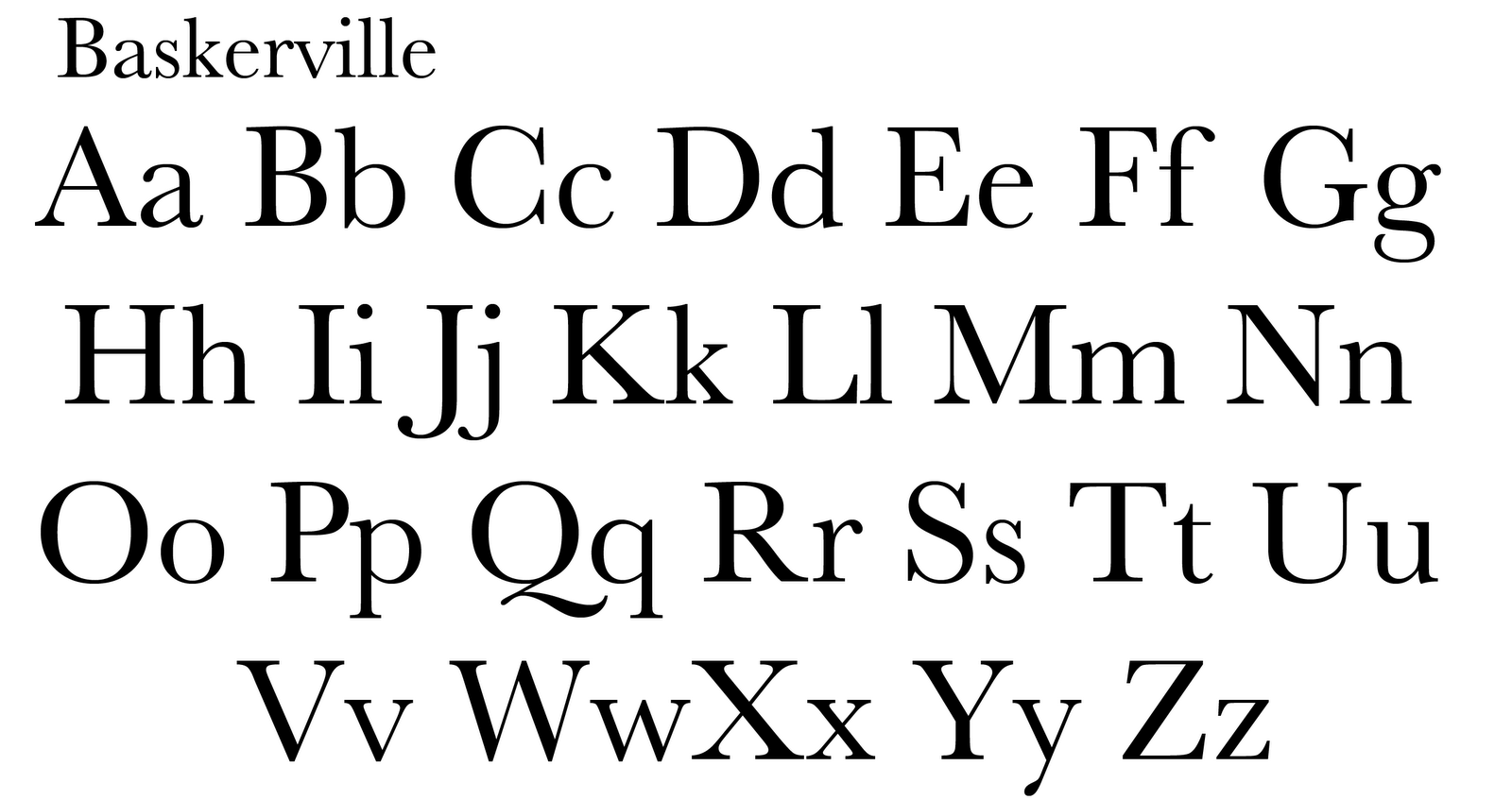
The research on the five classic typefaces has lead me to me picking Baskerville as my favorite type. Baskerville had a eye appealing class that I didn’t get from any of the other texts. After being able to recognize Baskerville I found the type on many brochures and magazines that had a sense of elegance, importance and exclusiveness. The Sculpted Serifs leave you with a nice disappearing sharpness that you don’t see in the other types, in the others you have an abruptness at the end of each letter. Curved brackets of Baskerville help transition the thick body into thin sharp ending of each serif. I also appreciated the fact that Baskerville was made in the 1700’s and is still relevant. Benjamin Franklin integrated this typeface into to a portion of the federal governments publishing.

baskabc-01

The typeface I disliked was Bodoni. I felt as if Bodoni was unfinished having unsculpted serifs leaving a jagged and abrupt look to the typeface. I felt as if the thick to thin contrast was to great. Bodoni felt as if it had been deconstructed but too much had been removed leaving it bare. Unlike Baskerville smooth transitions Bodoni was all right angles with very thin serifs that are harsh on the eye.

Henri de Toulouse-Lautrec vs. George Lois

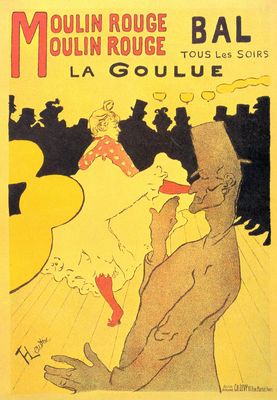
Henri de Toulouse-Lautrec (1864-1901) was a French painter, printmaker and illustrator. As and artist he made many strides in the Art Nouveau movement. Throughout his short life Toulouse-Lautrec traveled depicting the fresh nightlife of Paris. Filled with many artists and students Henri had a vast amount of inspiration in Paris. Lautrec’s most influential medium was in his commercial printing, promoting scenes and events in theatre. Art Nouveau was heavily influenced by Japanese art forms and woodblock prints. Lautrec also took influence from these woodblocks in many of his posters. Creating contrast with sharp lines and even exploring typography that was fairly new for the time. Lautrec even slipped in subtle cultural happenings in his posters. For example in his poster “La Goulue” (below) the woman in a happy public setting is expressing discomfort hinting to the feminism movement that was then hitting Europe. Lautrec personally furthered the possibilities of poster arts to have a social and political voice.


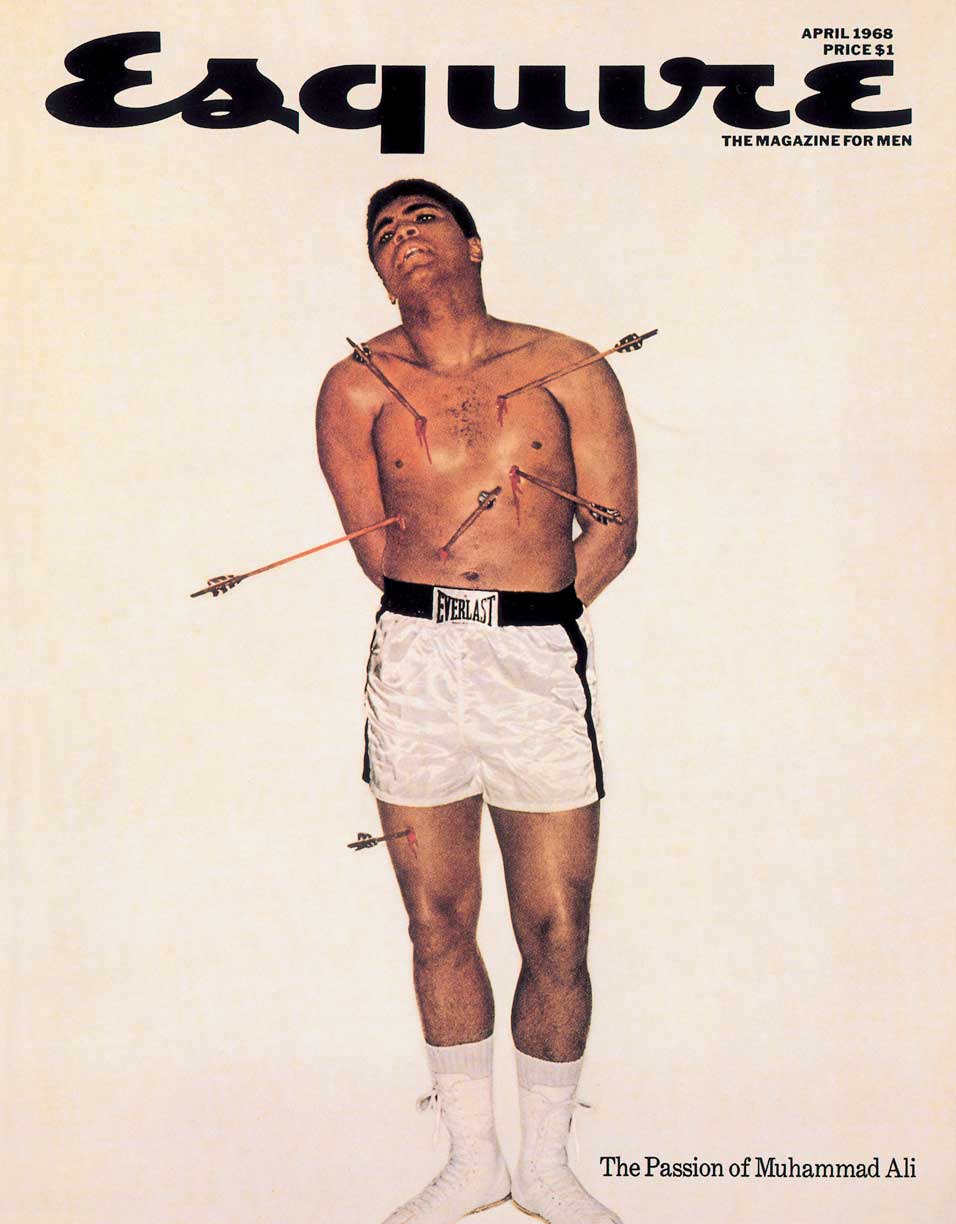
Fast forward to 1931 George Lois is born. During his life he was involved in advertising design and the New York School era of design. This is where images, text and type collided together. This type of design brought a new meaning to advertising. Repeatedly putting text with associated pictures, creating continuous campaigns that became very popular. Typograms also steamed for this age of design. George Lois became the art director of Esquire magazine. Lois would go on to create countless influential covers and other pieces of design for the magazine and other companies. One of the most Iconic is the front cover of the April 1968 issue of Esquire Magazine depicting Muhammad Ali shot with arrows. This cover drawing readers in to a very controversial story involving many social issues at the time race, segregation, religion, draft laws and the most talked about man in professional sports.


I chose to compare these two images because even with a large gap in time and leaps of advancement in technology they are portraying in very similar ways with similar concepts. Both a scene of a person followed by text.

“La Goulue” by Lautrec is very simplistic in terms of technology projecting a scene of dancing in France. At first glance it seems as if it’s just that, but with further analysis you begin to see the social undertones. A very joyful dance floor with the only detailed person being an unhappy woman, in a time of progression of women’s freedoms and feminist advancements. This woman stands alone and she comes along with a subtle yet interesting message leaving you curious. This was the beginning of mediums such as this carry a voicing message.

I compared it to the Esquire cover because I feel as if the “La Goulue” poster paved the way for more evocative covers such as the Muhammad Ali Esquire to come. This cover by Lois and photographer Carl Fischer cannot be ignored. The most controversial man in sports is standing alone in front of you bleeding from multiple arrows sticking out of him. He is in a position similar to the one of Jesus Christ on the cross. This screams a thousand times louder than Lautrec’s message but the end result is similar. It leaves you wondering why this African American Gold medal boxer is being shot with arrows. Lois leaves Muhammad the main focus of the page seemingly tacked to page. The magazine title left behind him leading you to more information. You start to ask yourself is it about race, his change to a controversial religion, or is it about his battles to avoid the draft.

The 77 years that separate these two covers or posters shows the change in technology of printing and freedoms of press. The messages are very different in volume but without Lautrec’s poster with a subtle message you don’t have Lois’s screaming cover. Both of these designs show text with an image and most importantly a message that came on a widely available piece of press.

henri-de-toulouse-lautrec-moulin-rouge-la-goulue-plakat-09709

Henri de Toulouse-Lautrec “La Goulue” 1891

tumblr_n0uqv4AHN61qcyj2vo1_1280

George Lois Art Director And Carl Fischer Photographer Esquire Magazine April 1968

Graphic Design Is

Graphic design is communication. It’s the connection a person makes between an object, sign, environment, product, typeface or piece of art. Graphic design connects a person to a message, sometimes that message maybe small or rather meaningless. Other times it can be powerful, important and moving. Graphic design is the way we display information on a grand, eye-catching scale. Many understand but do not even notice the design work that is around them from clothing, street signs, buildings, spaces and packaging, Graphic design must be able to incorporate business and art together, to create a clear yet interesting message. Graphic design is a universally understood language.


1. Creative 2. Expression 3. Classic 4. New aged 5.Tangible 6. Unhinged

7. Communication 8. Type 9. Style 10. Eccentric 11. Clear 12. Research

13. Planning 14. Mapping 15. Dope 16. Fresh 17. Eye Catching 18. Meaningful

19. Packaging 20. Marketing 21. Visual 22. Language 23. Fluid 24. Interactive

25. Multi-surfaced 26. Groovy 27. An Ism 28. Subtle 29. Articulate 30. An Explanation

31. A Statement 32.Enviromental 33. Branding 34. Personal 35. Bold

36. Expansive 37.Jazzy 38. Perspective 39. Advertising 40. Informative 41. Loud

42. Impact 43. Moldable 44. Quality 45. Precise 46. Hidden 47. Misconceived

 48. Hearing visually 49. Connective 50. Professional Art

Visual Inspirations

Quotes

“Great designers seldom make great advertising men, because they get overcome by the beauty of the picture – and forget that merchandise must be sold.”

James Randolph Adams

“Only when the design fails does it draw attention to itself; when it succeeds, it’s invisible.”

John D. Berry

“Design is intelligence made visible.”

Don Newgren

“The secret to creativity is knowing how to hide your sources.”

Albert Einstein

“Graphic design is the paradise of individuality, eccentricity, heresy, abnormality, hobbies and humors.”

George Santayana

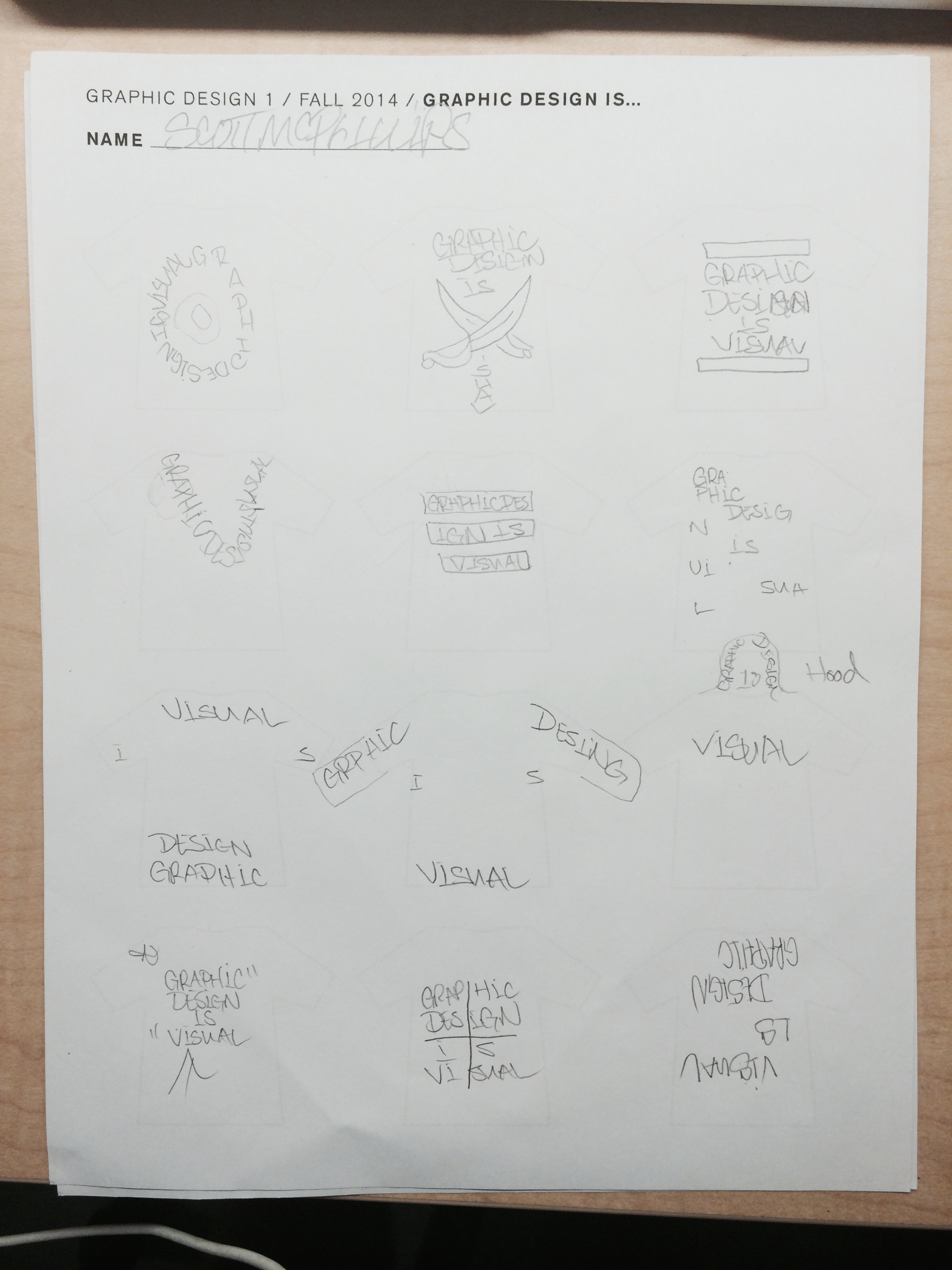
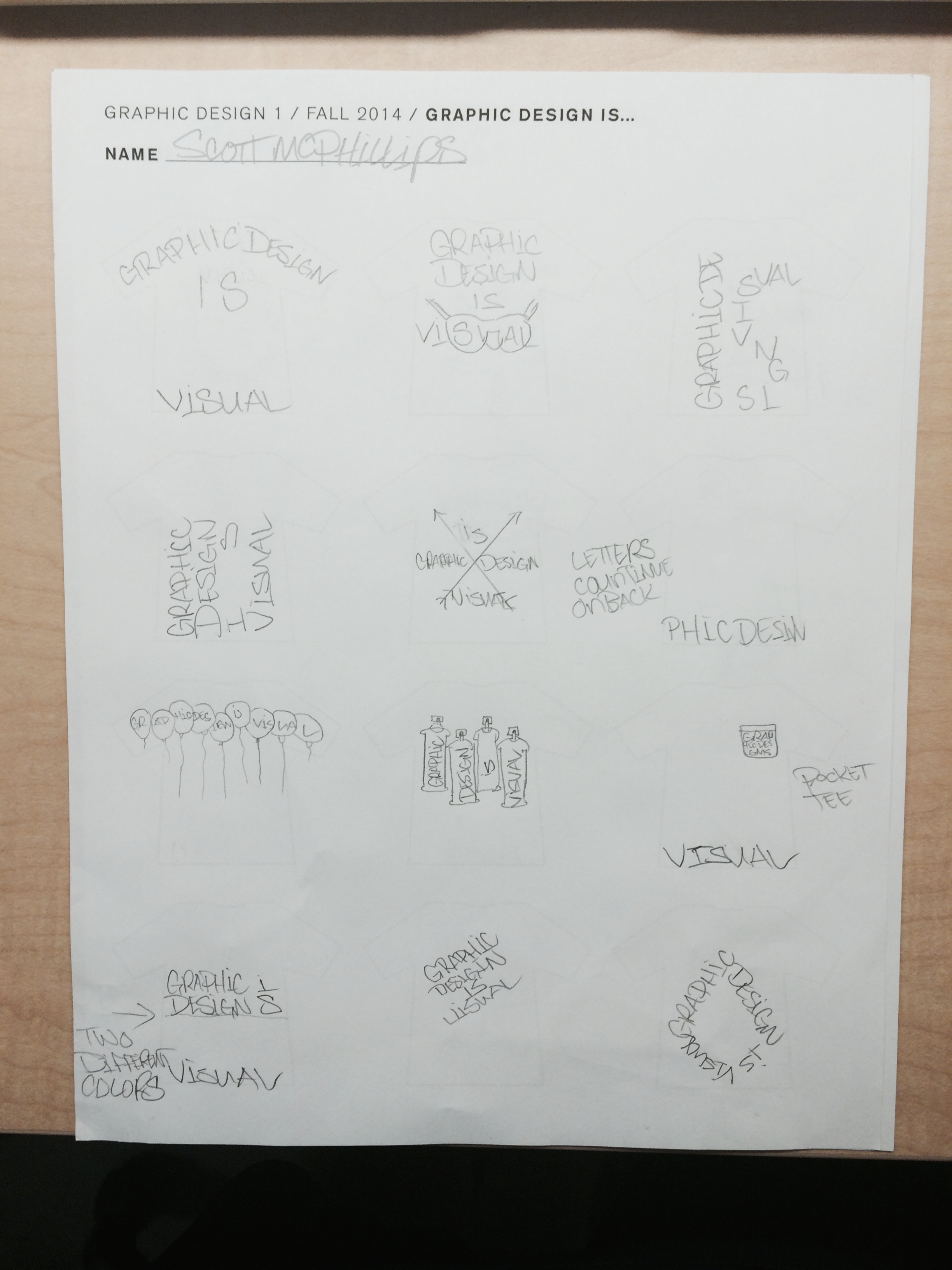
Thumb nails

IMG_7730  IMG_7732

What is Graphic Design?

The Guide to Graphic Design book talked about many different types of Design. Areas of graphic design that interested me were Type, Brand Identity and Publication design. These three were similar to my interests and were fields where I think I would excel.

Type

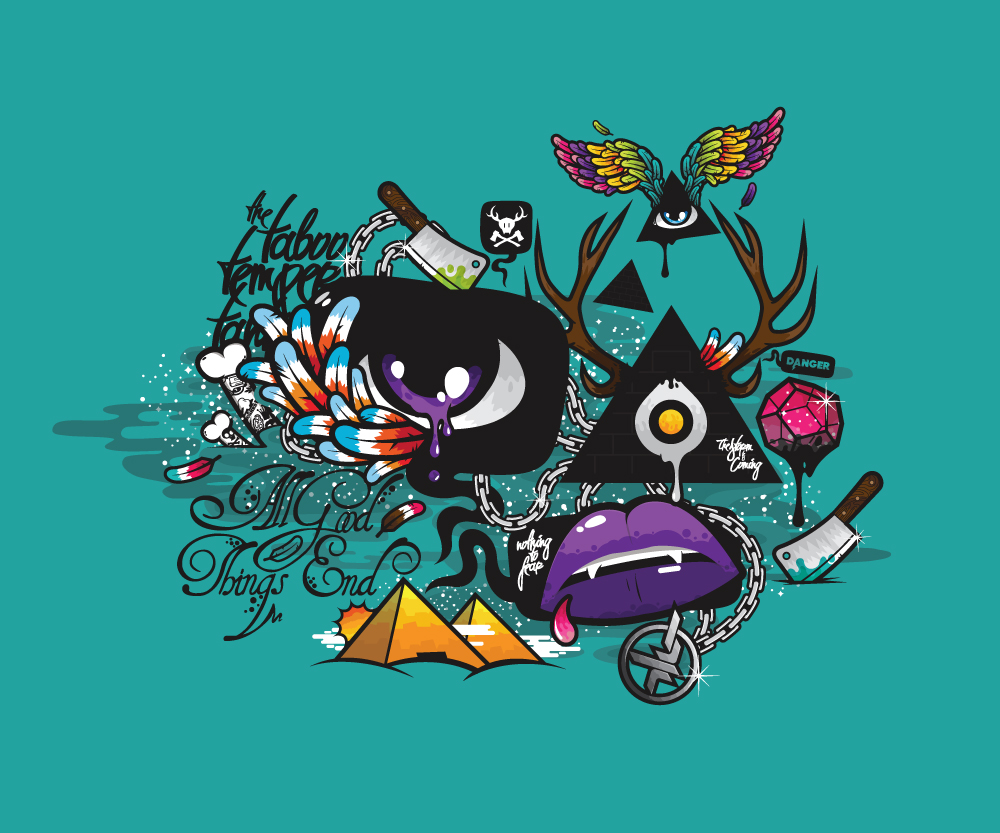
I chose Type designs because I’m very interested in the way fonts interact with peoples emotions. Being a graffiti artist I’ve experienced how letters and the way they are presented can impact a design drastically. I feel as if my skills in graffiti art could transcend into the Type area of design. I also enjoy the detail that type design goes into, having the eye for changing such small pieces of the design is very important in my opinion.

Publication                                                                                                                         

Publication Design really sparks my interests as well. I enjoy the idea of an always-changing subject matter, I feel as if that would keep a design job fresh. Publication Design offers a challenge of extreme uniqueness. You have to produce something that is always going to be different but it has to be synced with the article it’s attached to. I also like producing with a medium that’s tangible flipping through pages of a magazine has always been personally satisfying than being on the web. I think that an ever-changing subject matter would be a great fit for me. I like to stay up with the times for the most part. I believe I would be useful at researching new things to be promoted and designed in a magazine or periodical.
Brand Identity

Brand and Identity design personally is the most interesting field that Guide to Graphic Design mentioned. A lot of my interest in Graphic Design spawned from seeing different companies logos. I think Brand Identity is one of the major components to having a successful company or business. I believe that the way I create would be very useful in Brand Identity. I like to expand on previously used ideas or projects, slipping in techniques or parts of previous designs into a new project. Keeping a trend or pattern with remnants of past designs much like many brands do. Having a recognizable symbol that can be altered around the changes in the culture, time or brand.

IMG_7679IMG_7681

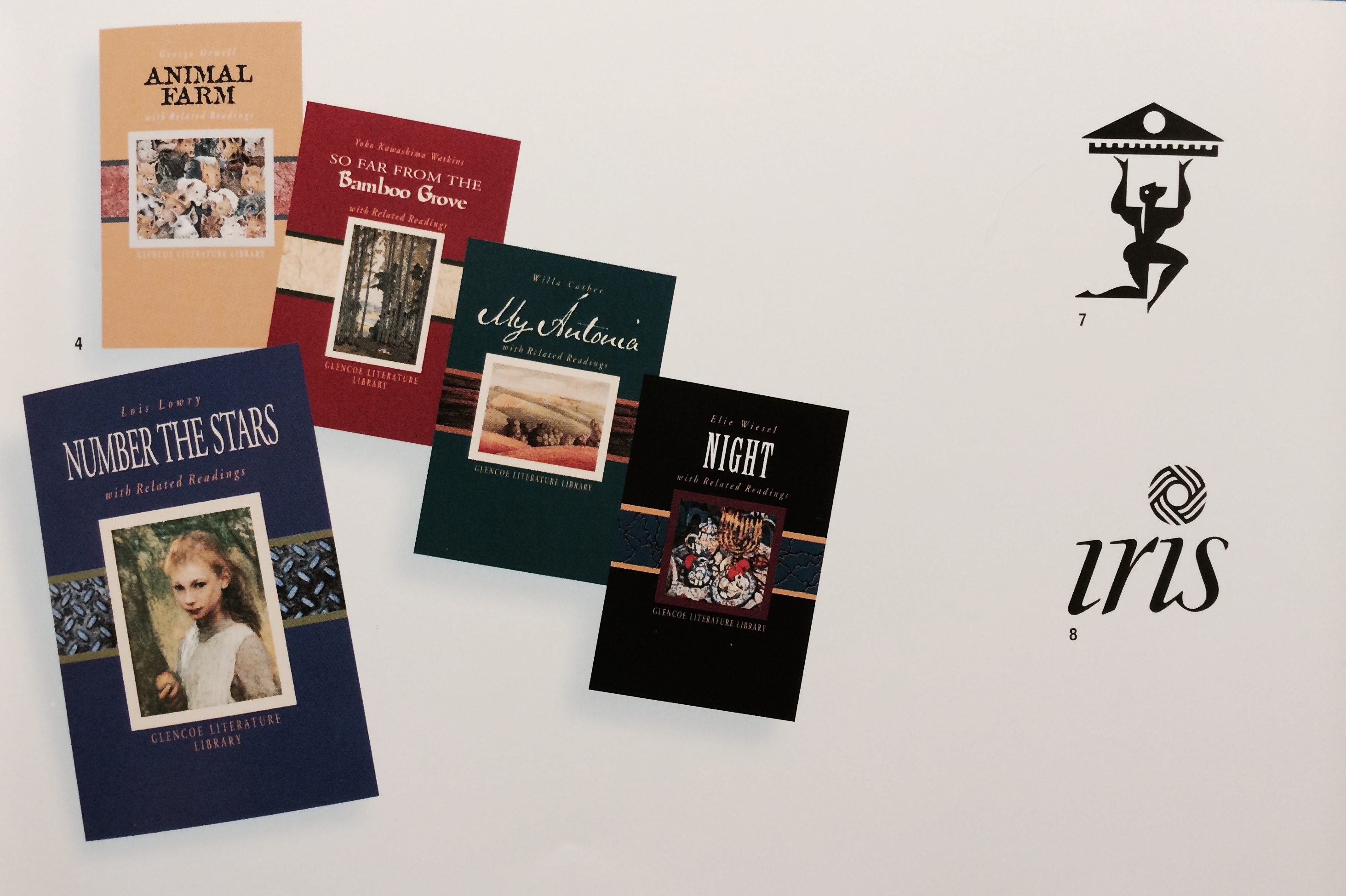
The examples above are brand logos done by Dever Design. Dever is firm I found in the Hot Graphics USA II book I referenced from. Dever Designs is a company out of Maryland. Their brand identity and Publication work struck me as clean and professional. Their website below has a great collection of various designs they offer.

Dever Design Firm


IMG_7684 IMG_7685

IMG_7682IMG_7688

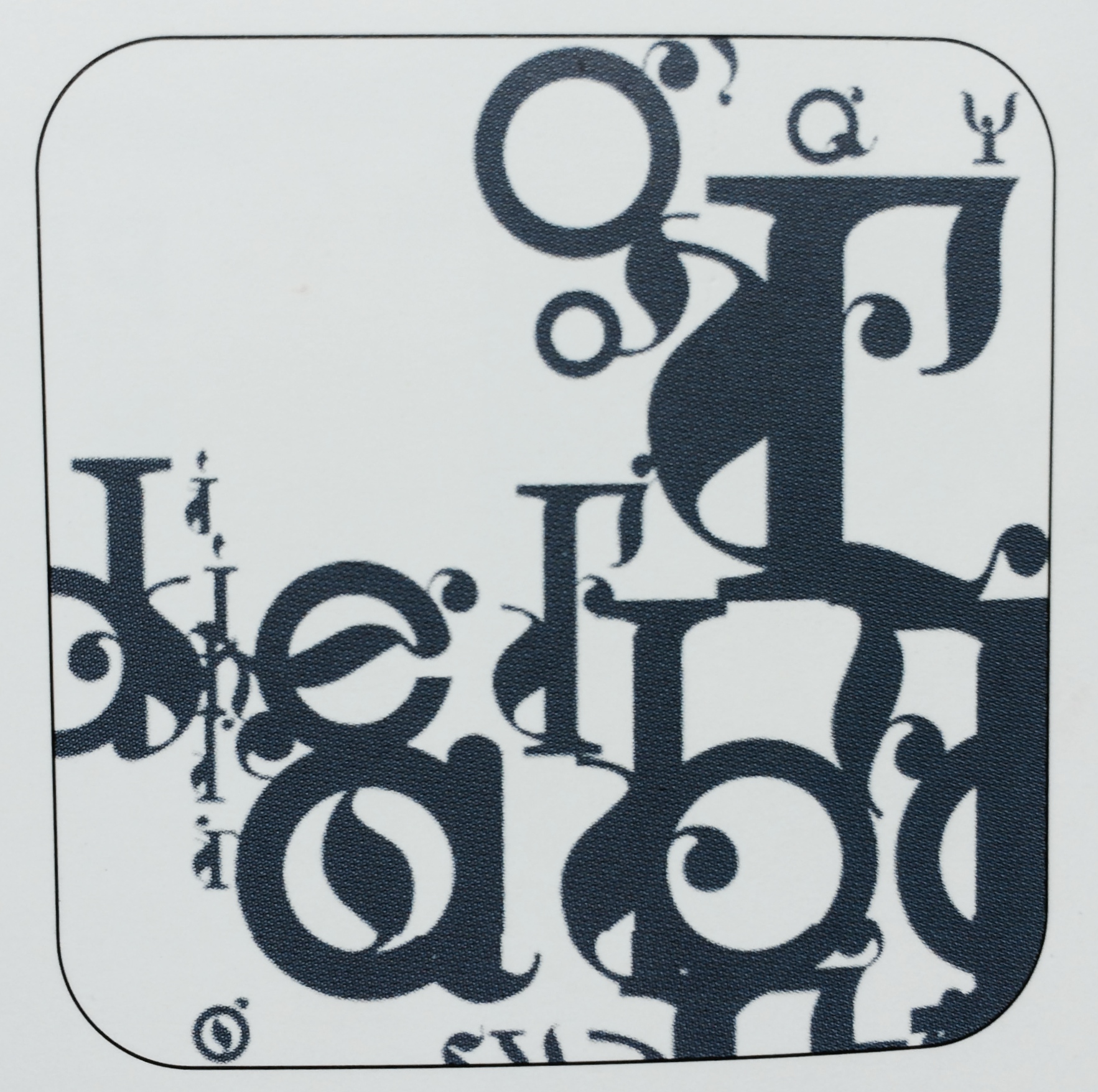
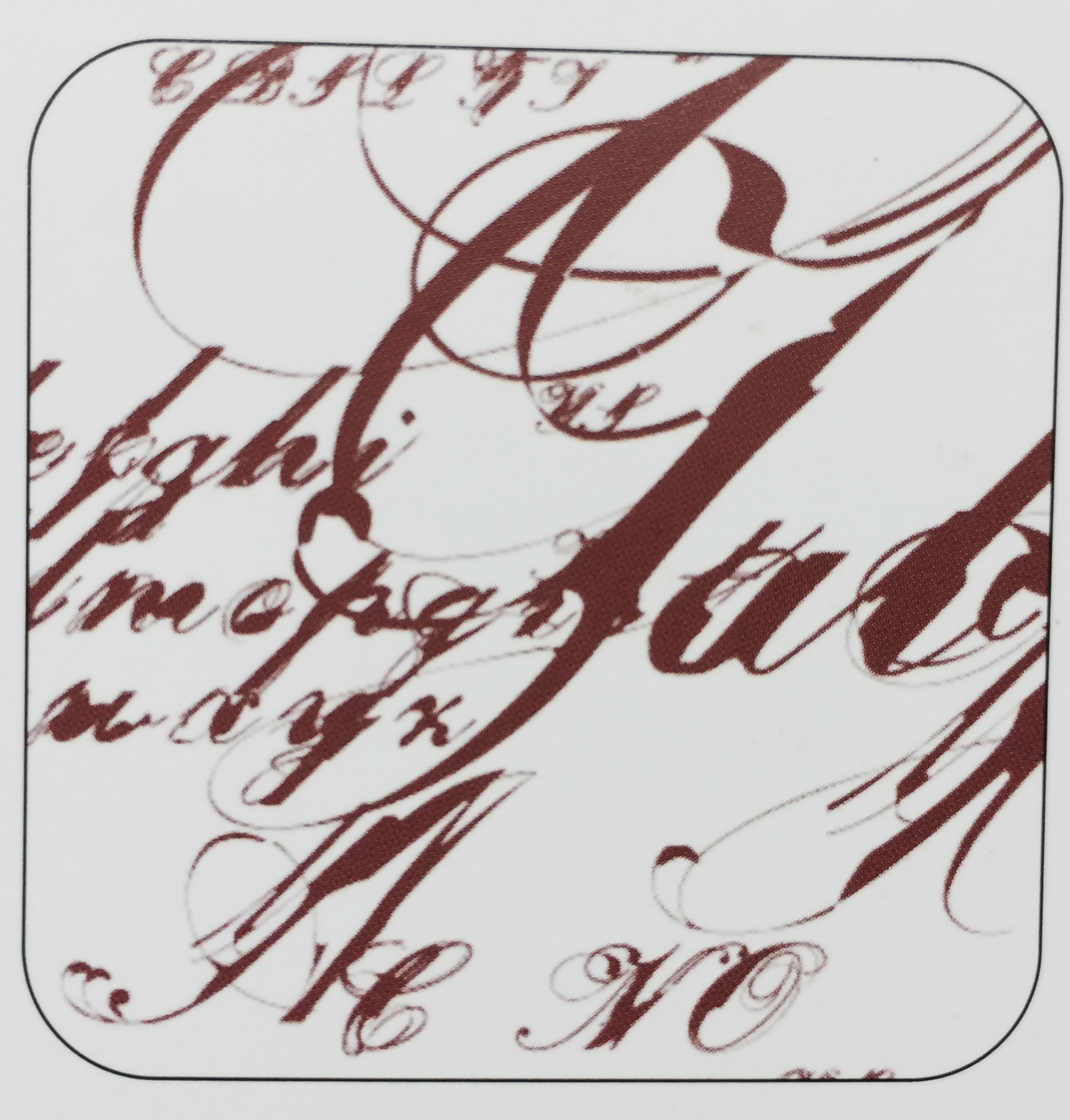
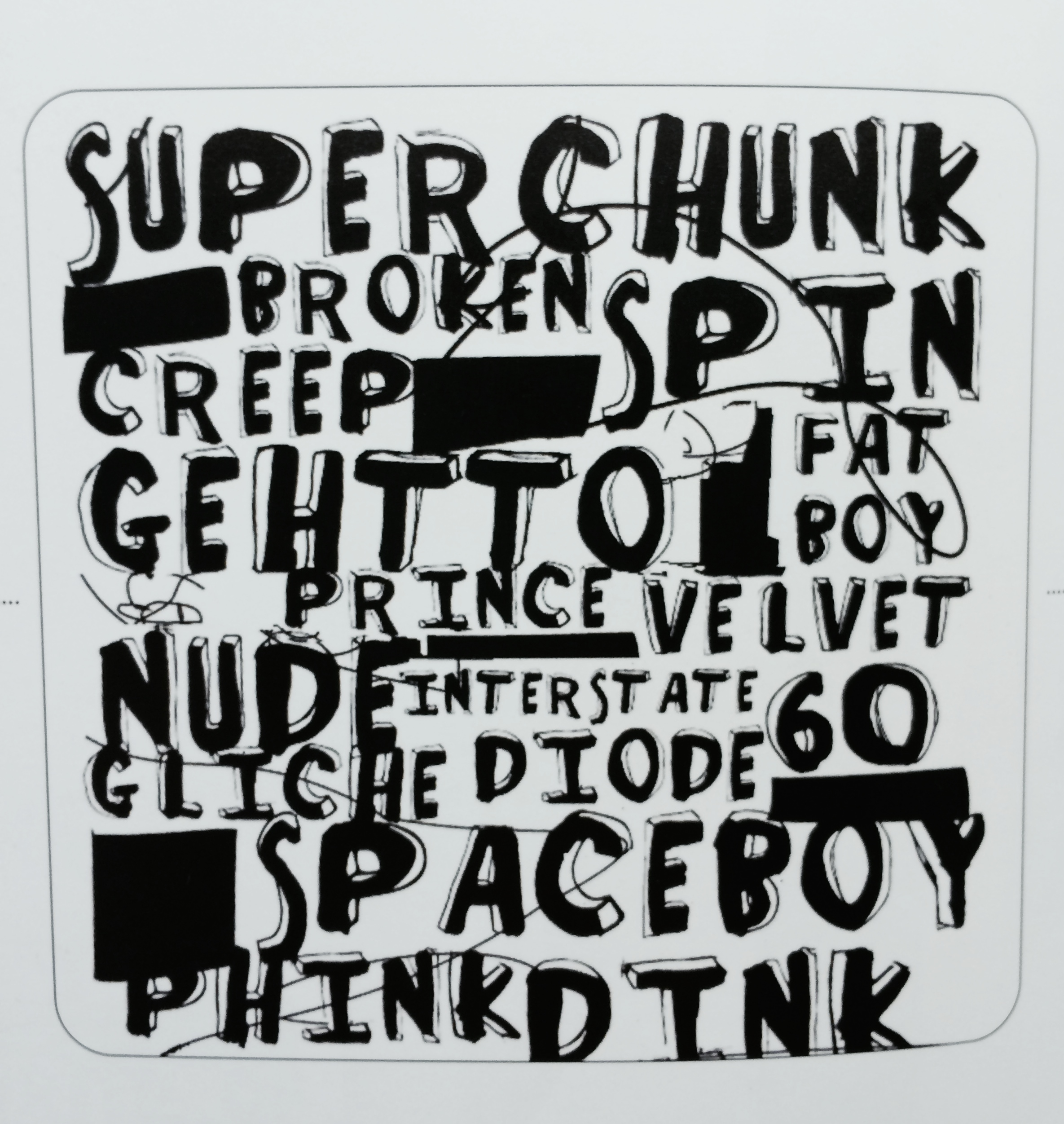
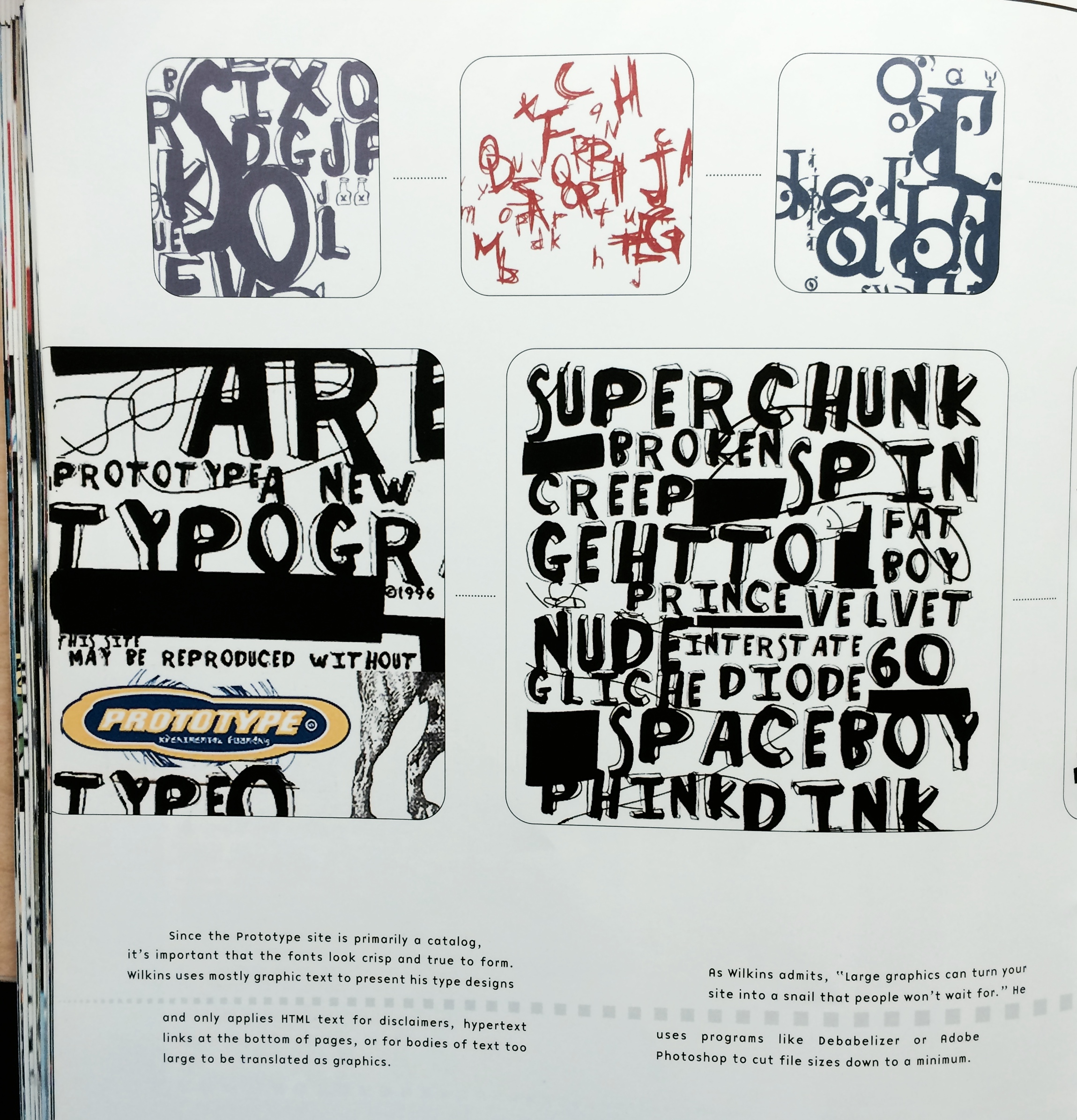
These type designs  above are from Charles Wilkins of Prototype. I was drawn to this page in particular for the very rough font in the center of the page. This was a great example of Type Design. I referenced the book Typography Miles/Donnelly. More from the designer Charles Wilkins can be found on his new firms website.

Charles Wilkins

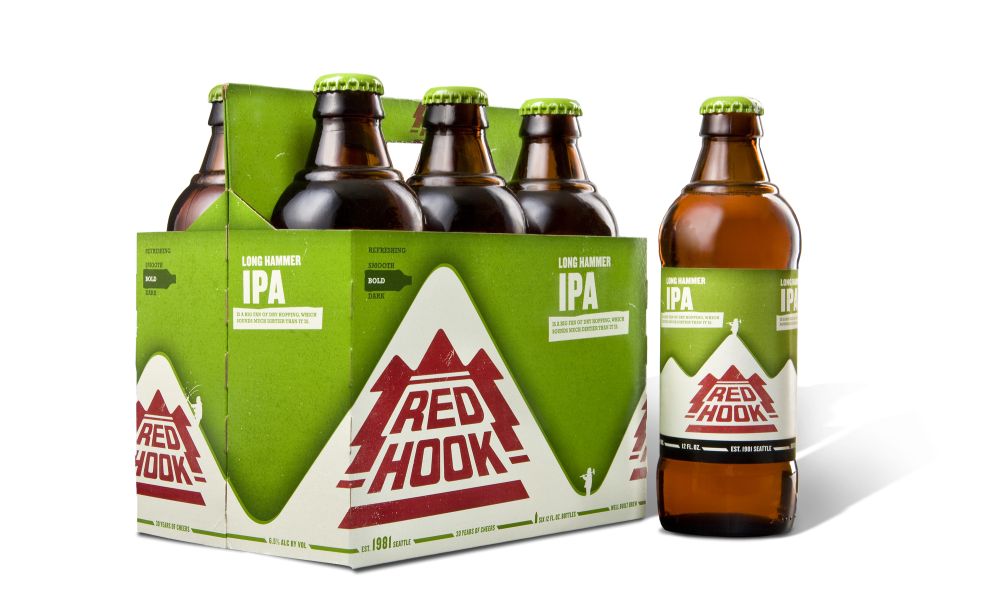
Another great example of brand identity I found in Hot Graphics USA II was from the firm Hornall Anderson. Their website below goes into great depth showing countless brand work they’ve done recently.

Redhook_IPA_10001seattle_supersonics_logo_2001_2008_design_by_hornall_anderson_efhbMkmC.sized

Holland Anderson

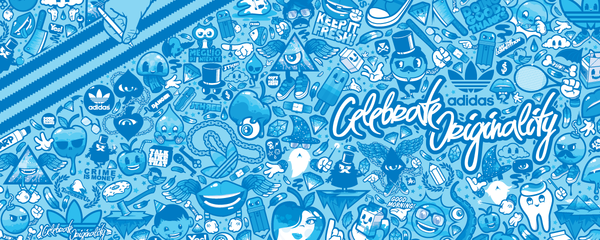
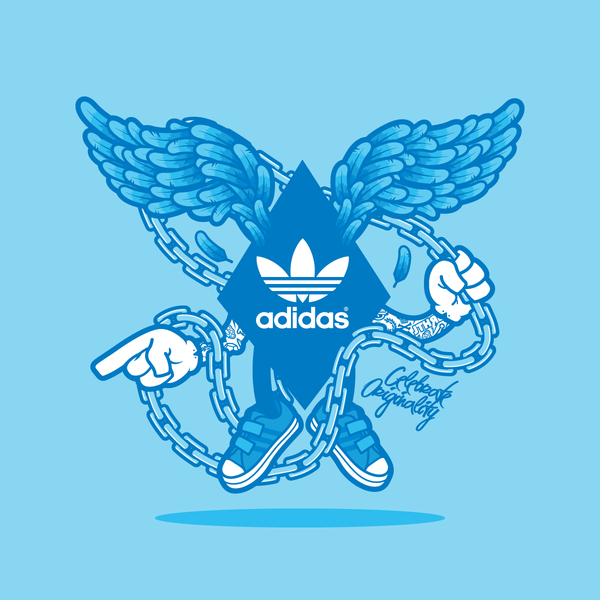
An awesome website I found on my own search lead me to stumble upon Jared Nickersons work. His brand work with Adidas blew me away. The style and technique he took was very attractive and new.  His work and Behance account are below. His Behance account is filled with great pieces from his brand work with other companies as well.

Jared Nickerson

575201267330954 575201267331140 4351


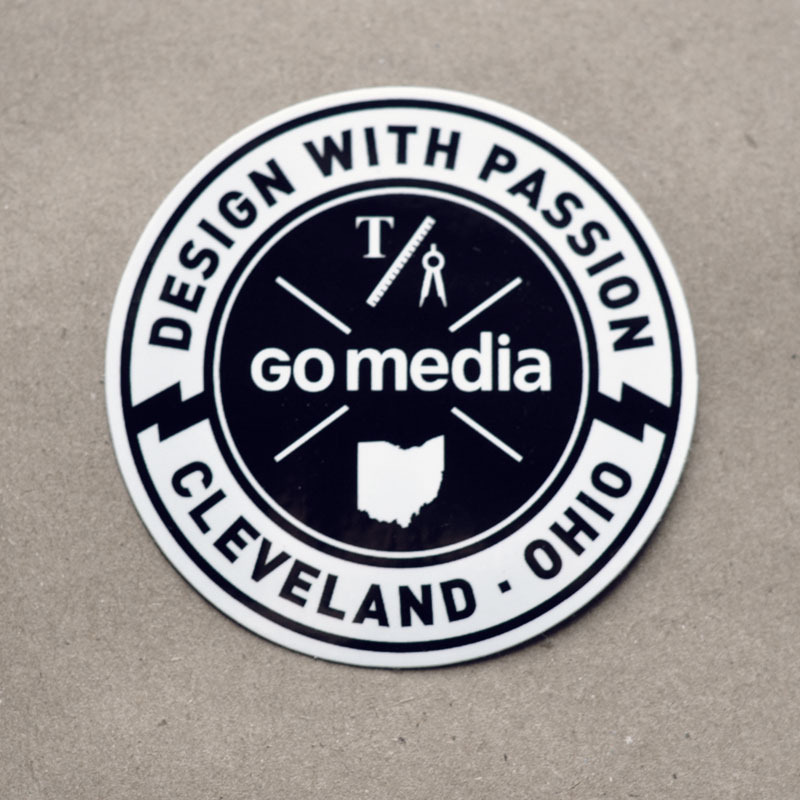
The best site I found during my research happened to be GoMedia Design firm out of Cleveland. There branding was top notch, the logos they display on their site are maticulously made. Their site had great links to where they go for inspiration and other designs firms. Some logos they displayed were even hand drawn with styles all across the board, from sleek to tattoo inspired lettering. It was definitely great to see a company with such a broad spectrum of talents.

Go Media

imagesgomedia_dwp_sticker-1