In design and typography, there are five classic type faces; Garamond, Baskerville, Didot, Century, and Helvetica. These fonts surround us in every day life and once understood it is easy to pick out which one is which. These fonts are each very different than the rest, even though to the naked eye they may seem similar. So much more goes into a typeface than to just make them ‘pretty.’
We will take the font Baskerville and Helvetica for example. To an audience, these fonts are extremely different which makes the message they are trying to portray different as well.
Baskerville
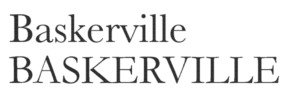
Baskerville is a beautiful font designed by John Baskerville in 1757. His goal was to perfect the older typeface of Caslon. He wanted to make it more legible and more proactive for the paper and ink manufacturing during his time. This is a great example of a transitional type face because this is one of the fonts in which bridged Old Style and Modern typefaces together. These characters are known to be very wide but closely fitted, and have very well designed proportions. It is considered one of the most elegant and most readable fonts.
Anatomy of Baskerville
Baskerville font is composed of ascenders, serifs, and terminals. This font is almost as if it has it’s own personality. With the tails on each of the letters and thin and thick strokes, Baskerville is a very unique, but popular font in typography.
Helvetica
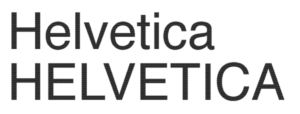
Helvetica is a sans serif type face. It is a Swiss typeface that was formed into Haas Grotesk in 1957. It was developed by Edward Hoffman with the assistance of Max Miedinger. Helvetica has has a large x-height and slightly condensed letters. This typeface is very clean and cut and it makes it easily readable. This typeface also has very little stress to it making it professional, yet transparent at the same time. This type originated during the time of the letterpress when type was laid out, hand by hand. It was so ideal that it survived the rise of computers and is still one of the most popular fonts used today.
Anatomy of Helvetica
Helvetica is a font with no tails and equal strokes. The stems are all the same width and it is very clean cut. This font is very neutral , straight, and unornamented.
How do they compare?
These fonts are clearly very very different. Baskerville is obviously fancier than Helvetica but they both have interesting histories and qualities. Baskerville was developed to make things more easier during its time, and Helvetica has survived and stayed popular throughout all these years. I chose these two fonts to describe and compare because they just appear so different to the naked eye. They are both professional in their own way and can be used for so many different things, rather than just professional things as well.
