It was really interesting to read about all the many changes that graphic design and art itself has gone through throughout the years leading up to current day. Just like it is in our nature to adapt to the ever-changing world around us, design adapts along with us. In this post, I am highlighting a few forms of graphic design from different points in the past that stuck out to me throughout the reading. Aestheticism, Cubism, Futurism, and Surrealism. Each one of these forms works off of each other, and gets better and better every change it goes through.
Aestheticism
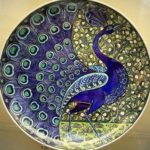
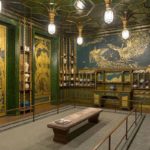
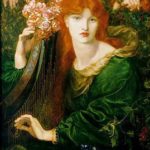
Although the movement itself wasn’t until 1870, aestheticism began all the way back in 1818 with Victor Cousin. The purpose of this movement was to find “ideal beauty” and create a greater connection between life itself and art. It encouraged artists to reject the traditional expectations of art pieces and explore their self expression. That is what drew me to highlight this form. Especially in todays society, an artist’s self expression in their art is extremely important because it is what sets them apart from everyone else and allows their best work to come out.
Cubism
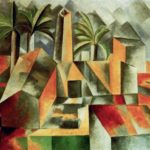
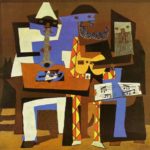
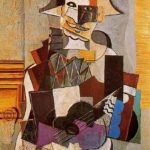
Cubism was founded by Picasso in 1907. His goal was to change the way reality is seen in the modern age. He was very passionate about the artwork being different from its true nature. Cubism is about the different ways we can view the world around us. In his mind, an object had an infinite number of angles and perspectives in which it could be seen. I admire this form of art because, like aestheticism, it encouraged artists to use their creative imaginations and use their own style to reflect on the reality, not mirror it. I also like this form because of the sort of, “childish” nature it has. It is basically a mixture of random shapes and colors but, it creates an abstract version of an image.
Futurism
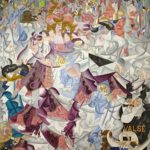
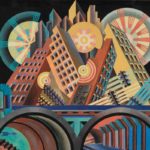
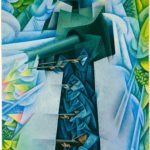
To follow the pattern of the last two forms, futurism also worked to get rid of tradition and focus on the future. In this time, new technologies were the focus of these pieces. Things like trains, cars, and airplanes were commonly seen in these types of pieces along with urban landscapes as well. This originally started in 1909 by a poet named Filippo Marinetti. It started in Italy and was most prominent there but, it soon travelled to the US, Japan, and soon enough, futurist pictures were seen all around Europe. I picked this form to highlight because I really like the creativity that gets put into it. Thinking back to this time period, they did not have nearly as much technology when compared to what we have now but, I think its amazing all the things they were able to come up with just in their imagination.
Surrealism
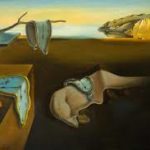
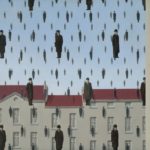
I was drawn to this form of art because of the psychological influence within it. Surrealism was adopted in 1924 and was greatly based off of the works of the great, Sigmund Freud. Artists became really interested in the unconscious and they thought it was the key to their imagination. In their eyes, the “rational mind” was what was holding them back from accessing their full power of imagination. This really interested me because, I am a psychology major and having learned about all of the views of Freud in class prior to being introduced to this topic, it was interesting to read how psychology could impact art.

In a way, the path of graphic design growth shows the world’s growth along with it. Starting with aestheticism, that was the first step in the direction of accepting artistic freedom. Cubism built off of that to show the world that an image isn’t just seen in one real way, there are many different perspectives to every object and some of these representations are more beautiful than the reality. Futurism gave artists the freedom to look ahead into the future and dig deep into their imagination to create, in simple terms, their view of the future. Surrealism connected the study of psychology with the creation of art as a whole. It encouraged artists to really dig deep and explore parts of their mind that they might not have been aware of before. This form is still very influential in art today. It’s crazy to look through all the progress this form of expression has made in order to get where we are in present day.
