Baskerville vs Helvetica
Two typefaces that are very different are Baskerville and Helvetica. It is really easy to tell them apart by the stems, descenders, terminals. While Baskerville uses serifs and a mix of thin and thick strokes, Helvetica does not use serifs and all strokes are the same width. Baskerville has more personality and movement, it coveys more feeling. Helvetica is very simple and straightforward, not conveying much. It is meant to focus more on the space surrounding the typeface rather than the letters themselves. There isn’t much that is similar about the two. Helvetica was created to be clear to the eye and universal. It was meant to be straight forward with no additional meaning. Helvetica is often used for more modern, sleek purposes, like logos (Jeep, Apple, Verizon, etc.), and graphic designers use it because it is so neutral. Baskerville was created to perfect the older styles of typeface in a more modern way. Baskerville is used in a lot of academic publications and “homestyle” brands. In Designing with Type 5: Identifying Typefaces, The Five Classic Typefaces | Steve Bowden: Endicott SP13, and A Simple Overview of the 5 Classic Typefaces it is easy to compare the two typefaces right next to each other and see these differences that convey different ideas.

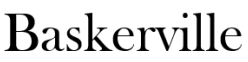
It is even easier to understand the differences between the two after reading through Typedia and 02_Type_Anatomy_Addendum. These two articles/sites show the detailed parts of typefaces. By looking at these smaller parts you can easily tell the two fonts apart without any problem. Although some plain strokes (without serifs) may look similar, most parts are completely different.
