GRAPHIC DESIGN HISTORY
Introduction
I really enjoyed reading the brief history of Graphic Design. It helped me learn how Graphic Design evolved in the society and what made it the way it is right now. It was very intriguing to realize how philosophies, historical incidents, political, cultural, technological and social changes, existing movements shaped the present-day art and design. This chapter also gave me an insight on the development of art and design around the world. It is unbelievable how art doesn’t recognize borders and travels around the world. Through this chapter, I learnt that art has been defined and redefined time and again. Art is definitely a reflection of the society, so it changes as the society evolves. Tracing back the art forms, movements and styles, we can easily interpret the evolution of a society.
Among the different art movements in the Western history, I have chosen the following four to elaborate:
Aestheticism (1870-1914)
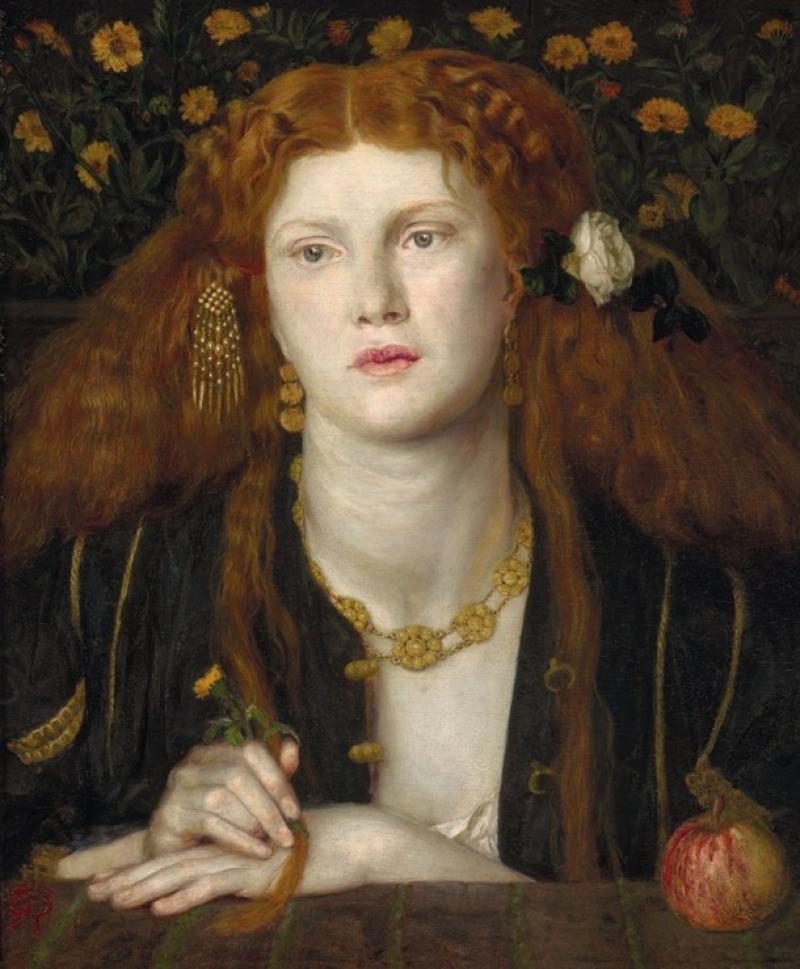
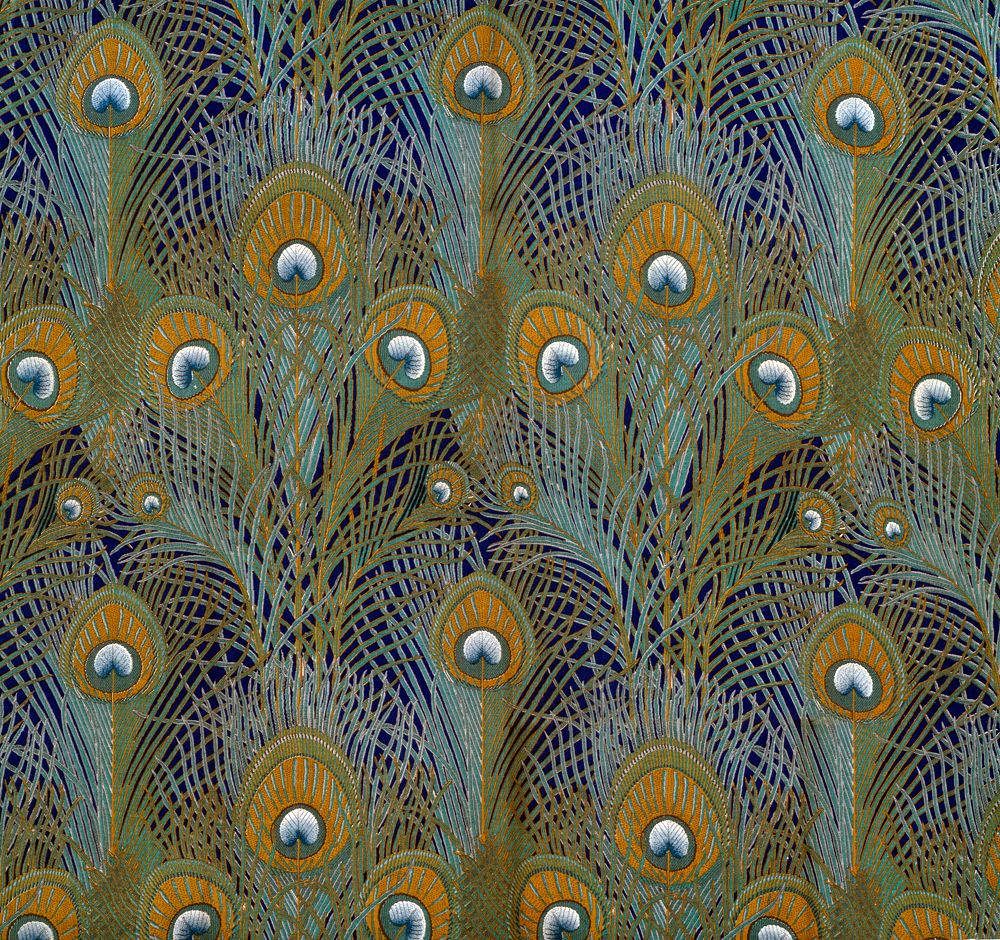
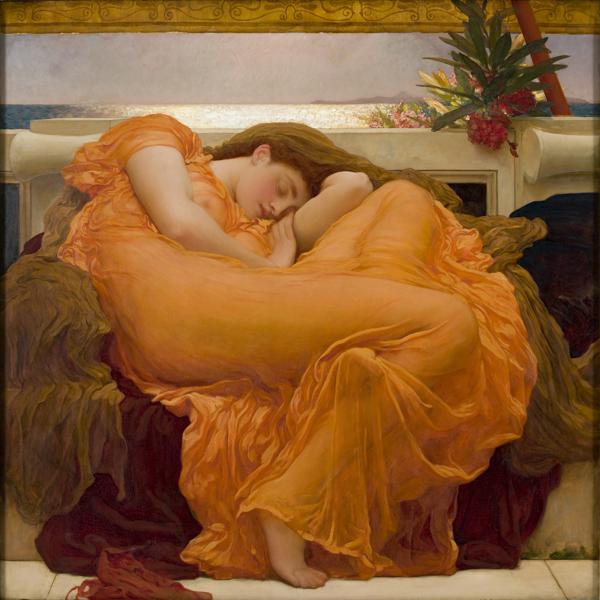
I liked the concept of connecting art and life in this movement. Separating art from morality and utility lets the art stand alone for the sake of its beauty. One of the videos I watched about the Aesthetic movement talks about how the movement is an expression of taste and cultivation. The way in which the things were brought together was key to the movement. Thinking about a modern example of aestheticism, a recent photoshoot of singer song-writer Harry Styles comes to my mind. In his photo shoot, we can see the re-emergence of the aesthetic fashion ideas where men are confident to express their identity through flamboyant clothes. I find the philosophy of ‘art for the sake of art’ behind the aestheticism movement very thought-provoking. However, I also understand the perspective behind its criticism. Critics have questioned the value of art divorced from morality. It is a question of do we want art to be shallow and promote luxury, lust, beauty, and lifestyle or do we want art to act as a medium to bring change.
Cubism (1907-1921)
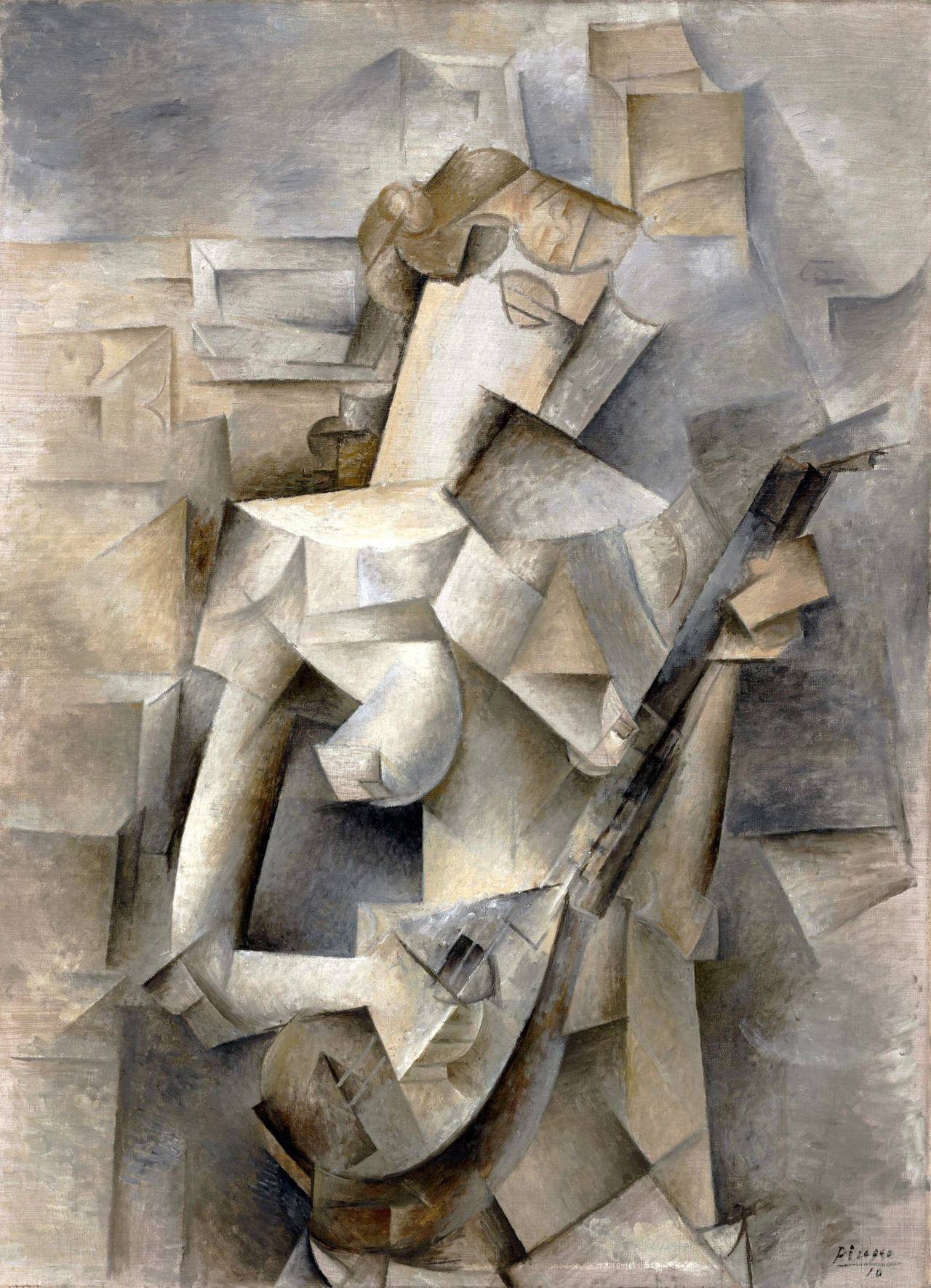
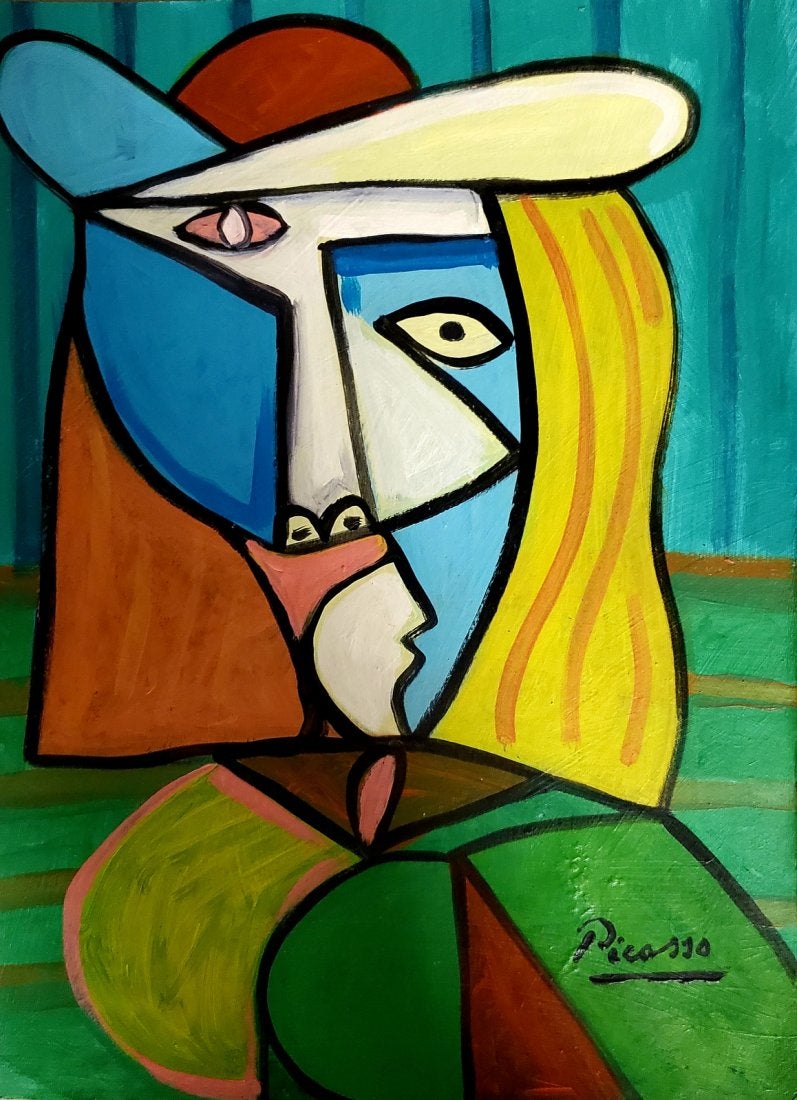
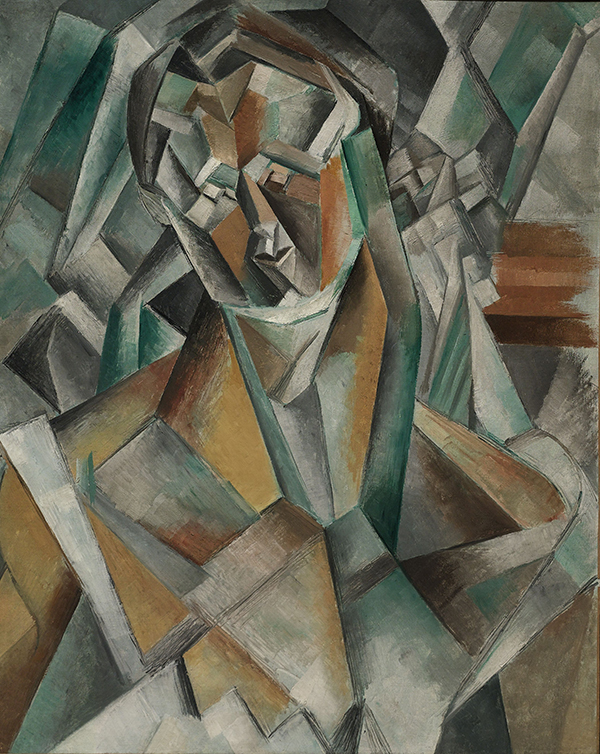
Cubism grabs my attention as it is one of the groundbreaking revolutions in art history. In a flat sheet of paper, the artists were able to show three dimensions and multiple perspectives. That is very interesting to me. In one of the videos I watched, I got to know the cubist style got famous in Russia where the style corresponded with the newly forming revolutionary ideals. Another fascinating thing that I learnt was how the movement affected architecture, music and literature. This tells us how art is an integral part of our society and its influence can be found in different disciplines. One of the articles I read about Cubism gave me an insight on its relationship with non-Western sources and African art. That was an interesting part since it tells us about the interrelationship between different cultures in art. One of the many cubist artworks that I found interesting was ‘Still Life with Chair Caning’ by Pablo Picasso. The use of letters ‘JOU’ gives more meaning to the artwork. Some of other cubist artworks can be found in the website of The Art Story.
De Stijl (1917-1931)
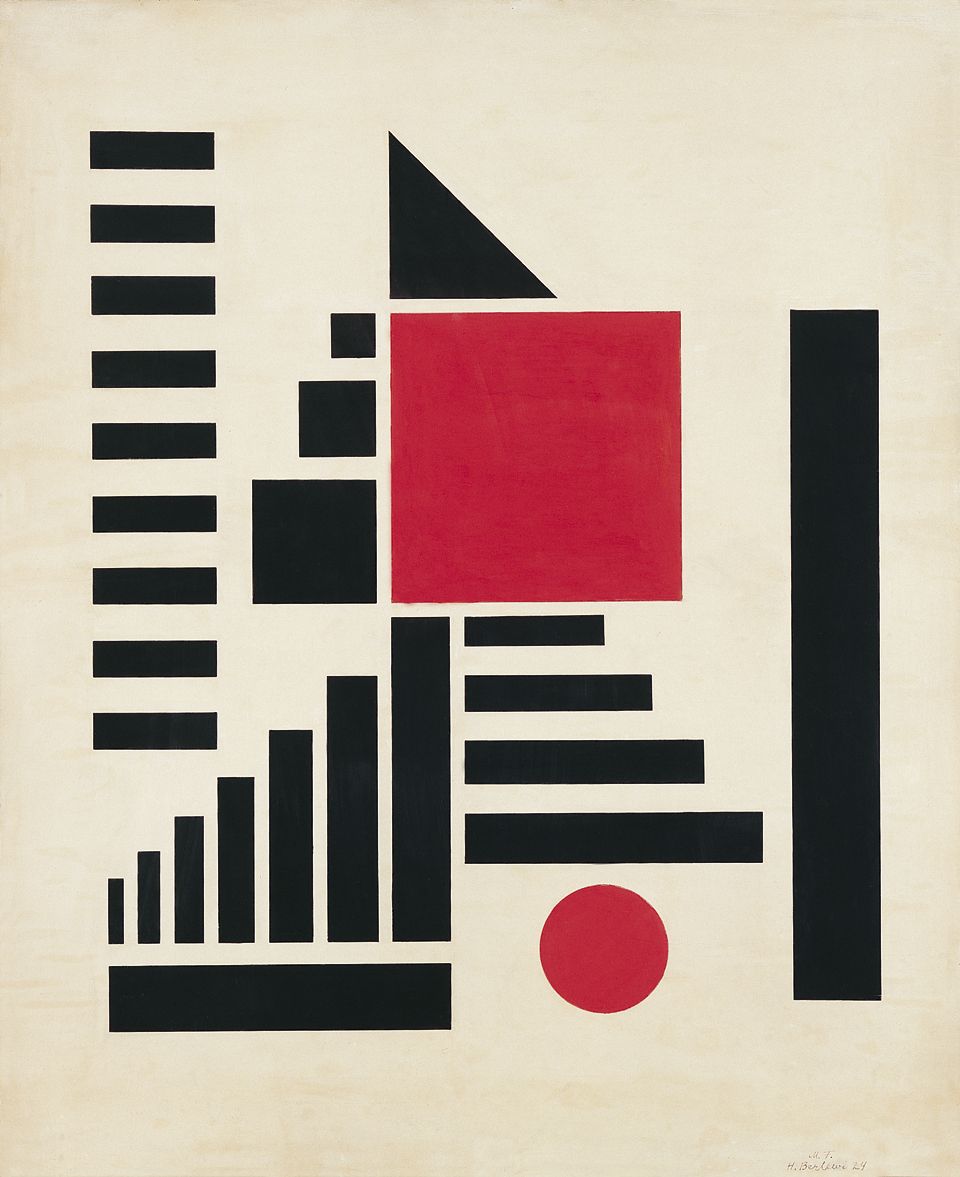
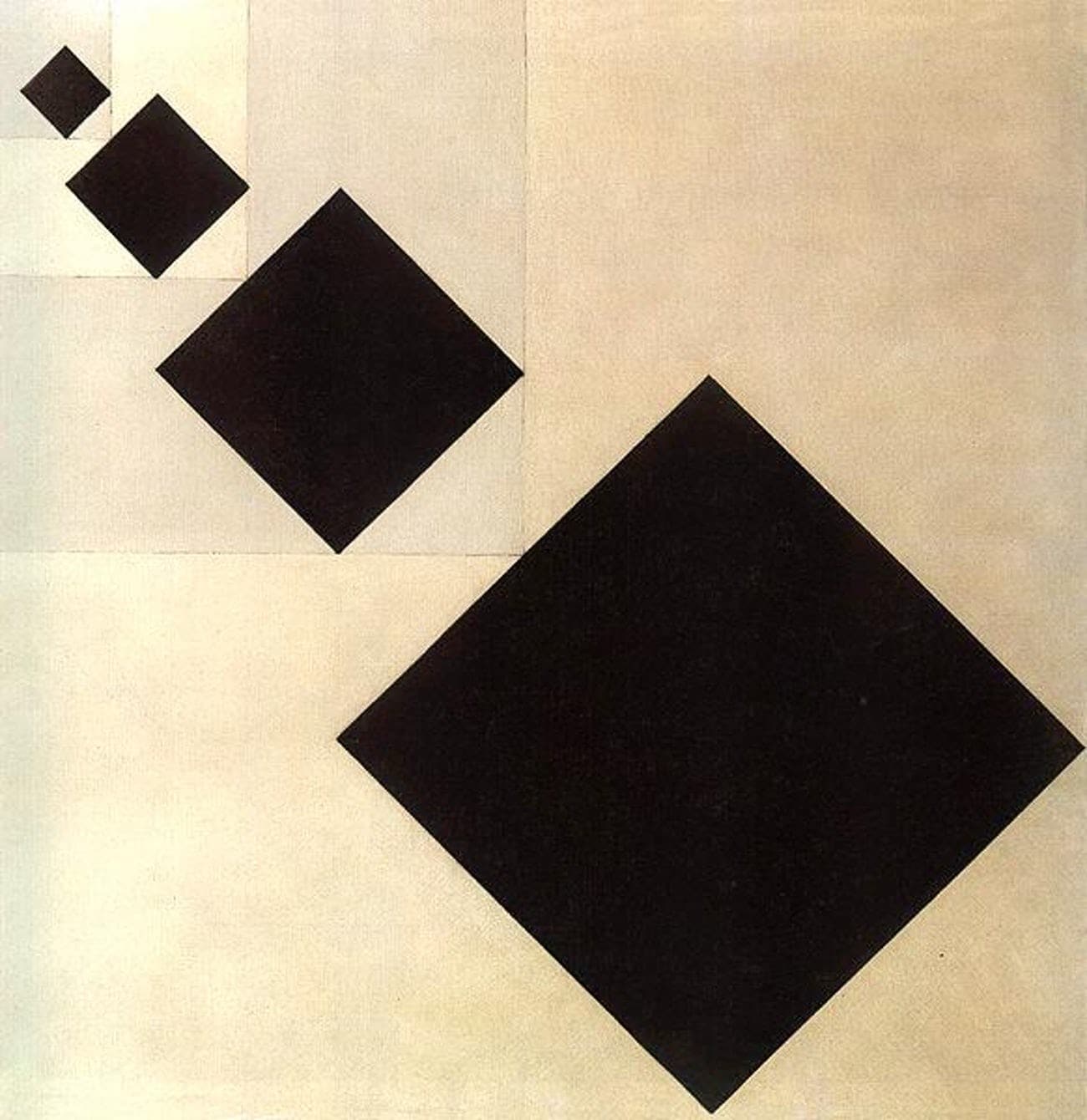
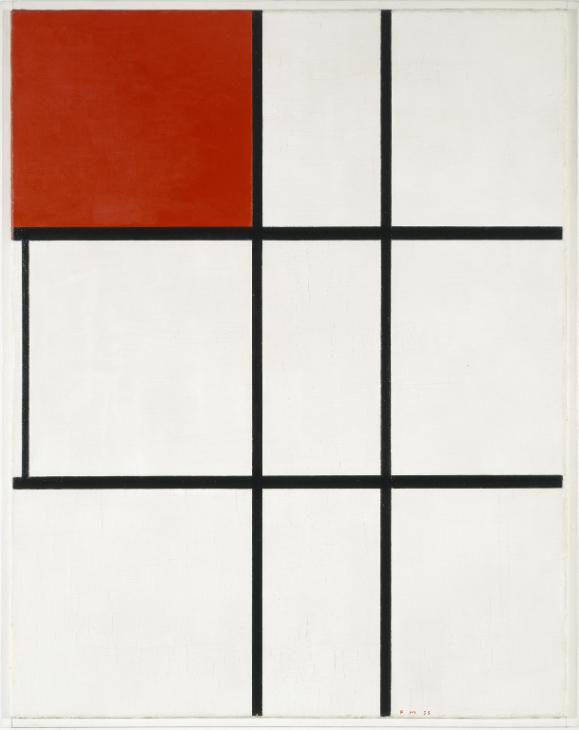
Out of all the art movements, De Stijl was probably the most visually appealing art form for me. Straight lines, right angles, and primary colors are such simple elements, however, once combined together, can create amazing artworks. De Stijl art form represents the modern era of order. It was intriguing to learn how the movement originated. One of the articles I read informs that the art form emerged largely in response to the horrors of World War I and the wish to remake the society in its aftermath. This art form shows us the power of art in a society. Art can be used as a powerful tool to advocate for change and reform in a society. The other article that I read talks about how the De Stijl group believed they were laying the groundwork for a future utopia. This statement informs me about the ability of art. Through art we can dream boundlessly. This art form encouraged people to dream, advocate for a change and it did mark a new era. I interpret this art form to be very powerful. If you are interested in seeing more De Stijl artworks, you can visit this website.
Conceptual Image Makers (1950s onwards)
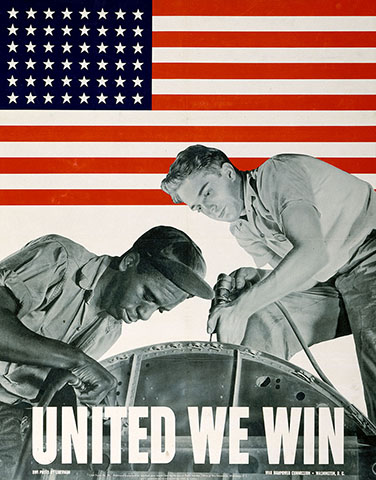
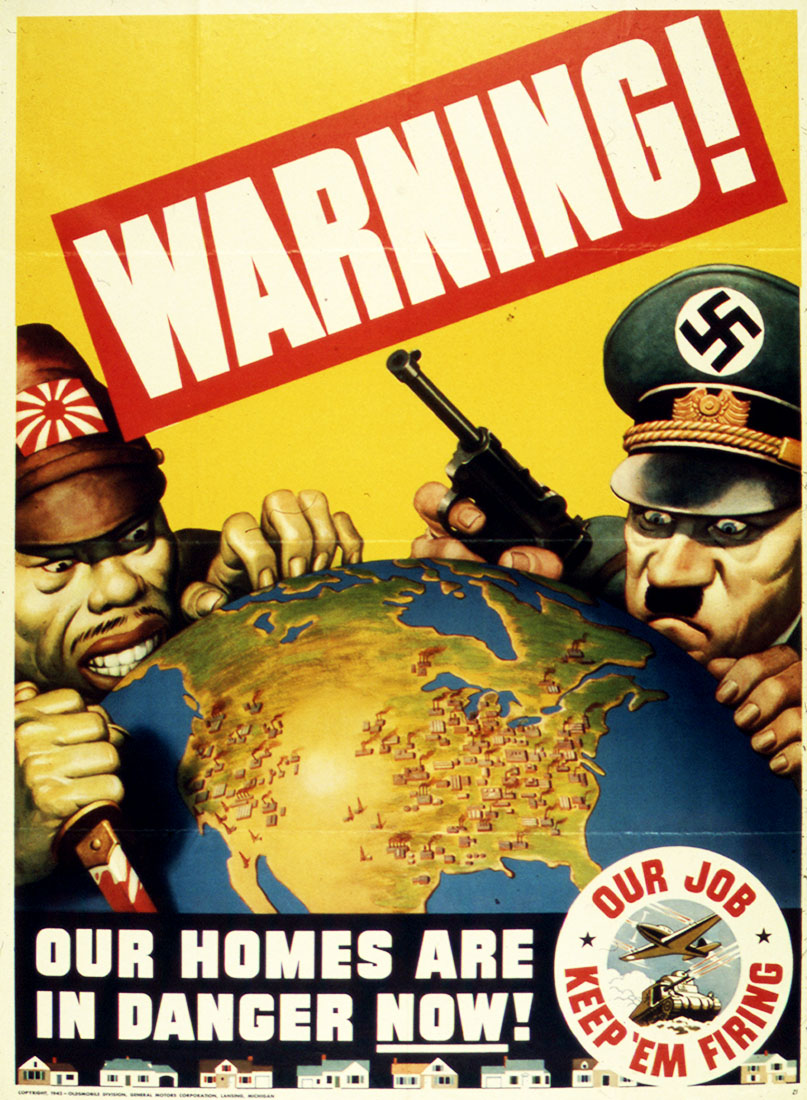
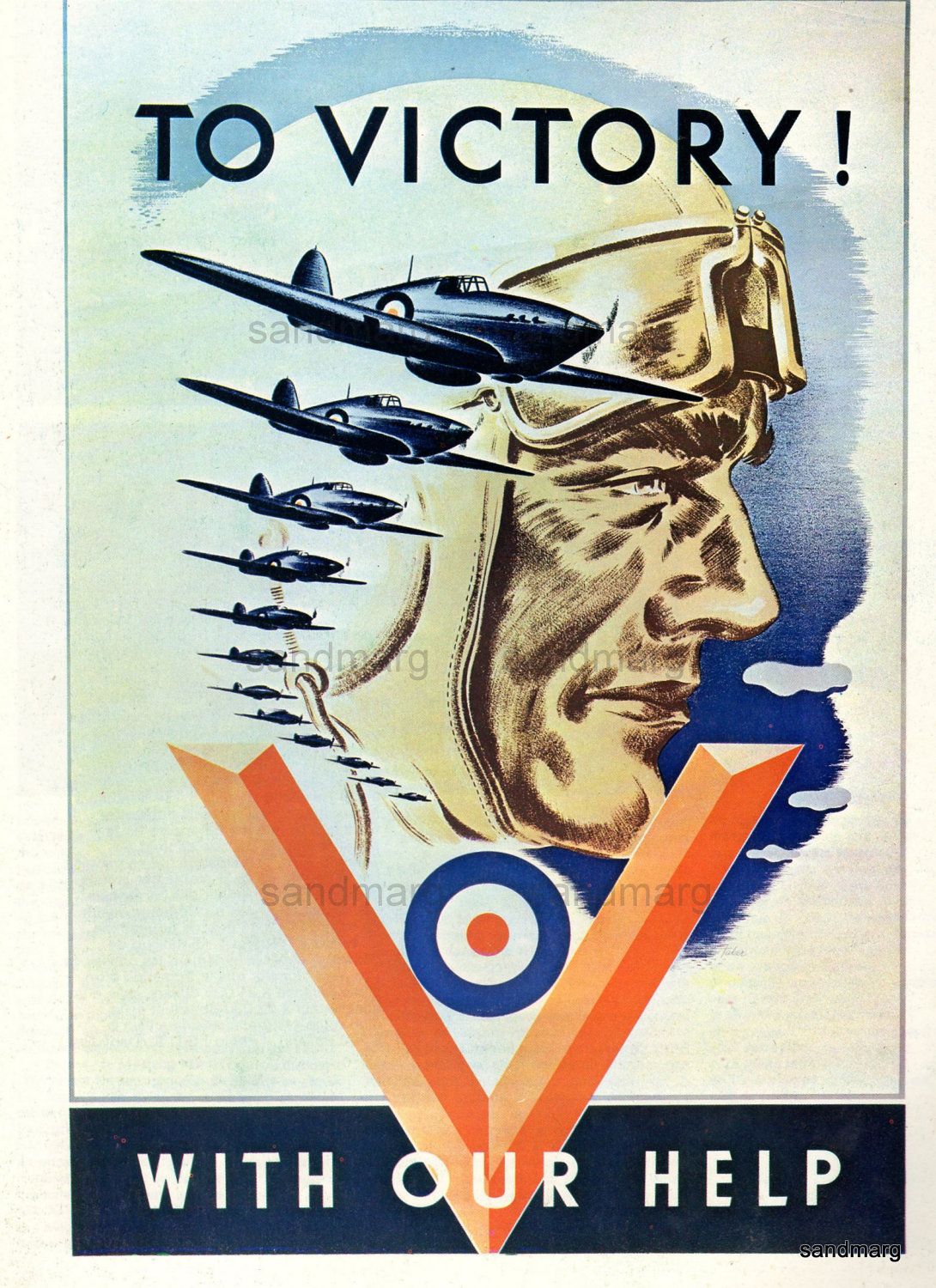
Working for the student newspaper on campus, my team at the newspaper is constantly putting an effort into creating graphics and visuals that communicate the gist of the article. Conceptual Image Makers does a great job using visual cue to deliver heavy and intense information. That is why this form of art is interesting to me. Juxtaposing images and words and making it visually appealing, effective and ensuring clear communication is a challenging task. Reading about Italian Graphic Designer Armando Testa and how he used the image as the main means of communication was fascinating. Another thing that stood out to me about this form of art is that it originated after World War II. I think this proves that “art is a reflection of society.” Something that also grabbed my attention while researching about this art form is that it was used all around the world, however, its purpose differed in different cultures. The article talks about how it was used in Poland by the Polish government agencies as a form of propaganda whereas in the United States, climate social activism fostered the use of posters with conceptual images.
Summary
The evolution of art and design informs us about the evolution of a society. One of the most interesting things while reading the chapter was to study the transition between different art forms. In all the art forms throughout the history, we see attempts of redefining art and its purpose. A good art and design work is the one that connects with its observer. The art and design work that expresses the artists’ purpose clearly and that reflects the need of the society is a good art and design work for me.
