Design, as well as art, has been around for millions of years and is still heavily used in everyday life. Art has been used to create displays, brands, and give messages to society for all of us to perceive in different ways. Nowadays we see a higher use in social media, which allows for these displays of art and design to be more easily seen and understood. While art and design are everchanging, it all comes back to the original historical types of graphic design, some of which included below.
Aestheticism (1870-1914)
While this movement could have begun as early as 1818, it officially started in 1870. The focus of this Aestheticism was to search for ideal beauty, in order to do so, they wanted to remove art from industry and develop a stronger connection between art and life. The realism of this movement caught my attention because of the true beauty that was captured through life. Oscar Wilde is just one example of many contributors to aestheticism, which he developed works of art that were viewed as elegant and new to this movement.



Cubism (1907-1921)
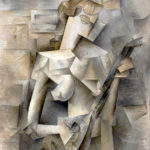
Cubism seemed to have a wider variety of creativity among its movement which caught my attention. While there were many contributors to this movement, one of the more well-known contributors is Pablo Picasso. He incorporated the philosophies of this movement along with his own interests in order to create works of cubism. I found cubism to be a more abstract work than most others, which leaves viewers to develop their own interpretation of the works of art.


Futurism (1910-1918)
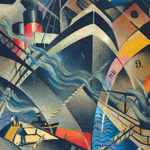
Futurism worked to capture the dynamics and the energy that is part of the modern world. Many of the artworks from this movement surprised me because of how futuristic they seemed. This movement is very unique in the ways that it captures and shows movement through the art. It also utilizes the form of letters as objects and another method to exhibit art.


De Stijl (1917-1931)
De Stijl focuses more on the use of straight lines, angles, and primary colors throughout its movement. The simplicity of its style and use of these basics is what captured my attention. How the simple use of red, yellow, and blue with the help of lines and angles, could develop such intriguing works of art.