Graphic Design History
The world is not stagnant; there are always changes in society and culture. This explains why there are so many different styles and movements in art and design history. Depending on what is happening in the world at a certain time, artists and designers will likely be influenced by events, ideas, or conditions of that time. Looking back in history, there are many different styles and movements in art and design that can be studied. Some are more traditional, and some are more abstract. All have a profound origin in the human mind and experience.
Cubism
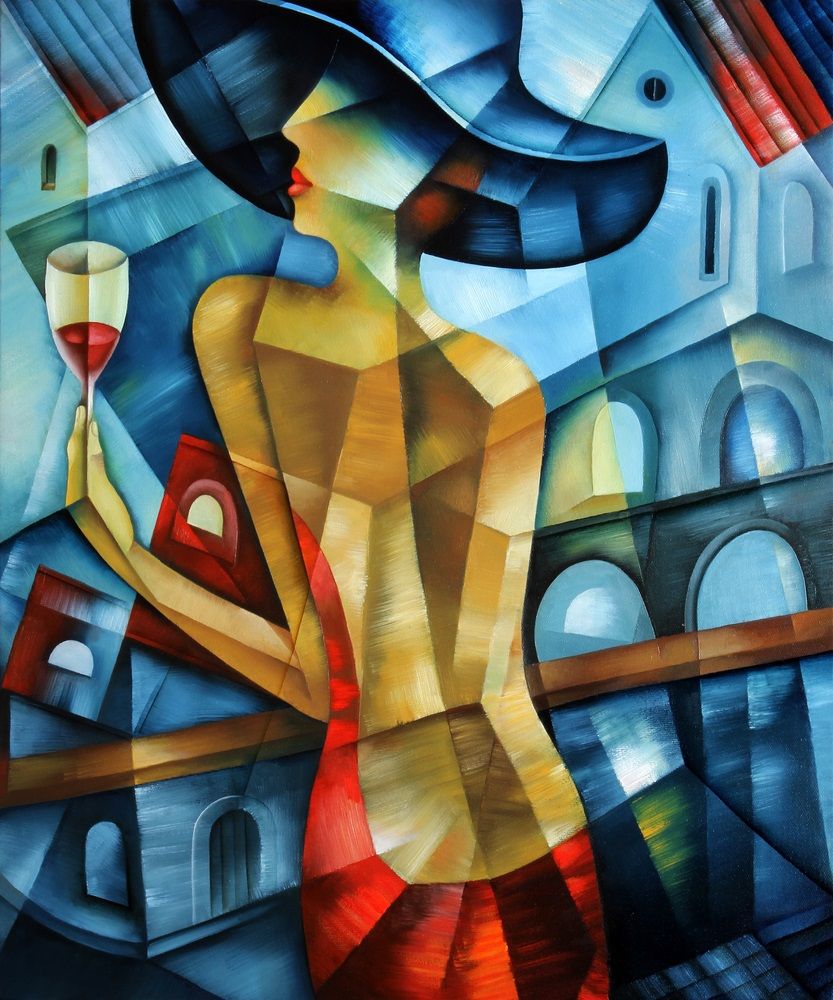
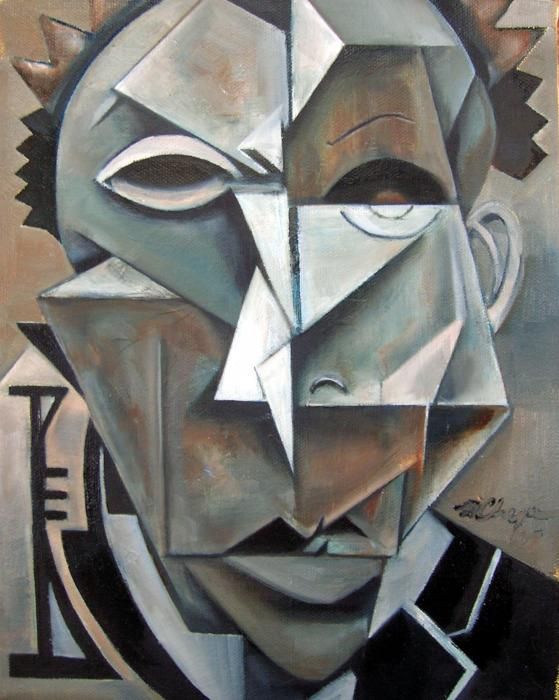
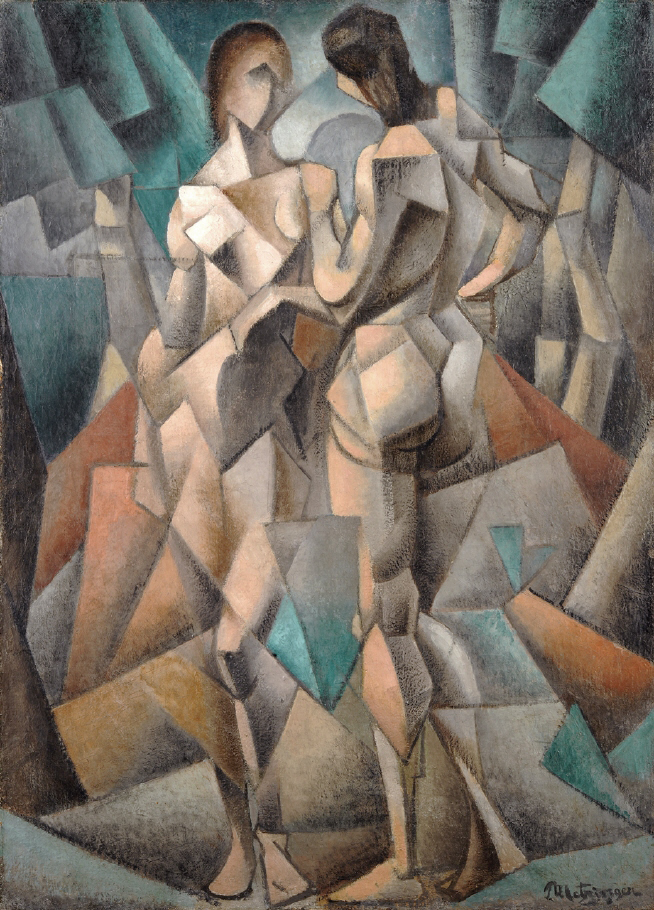
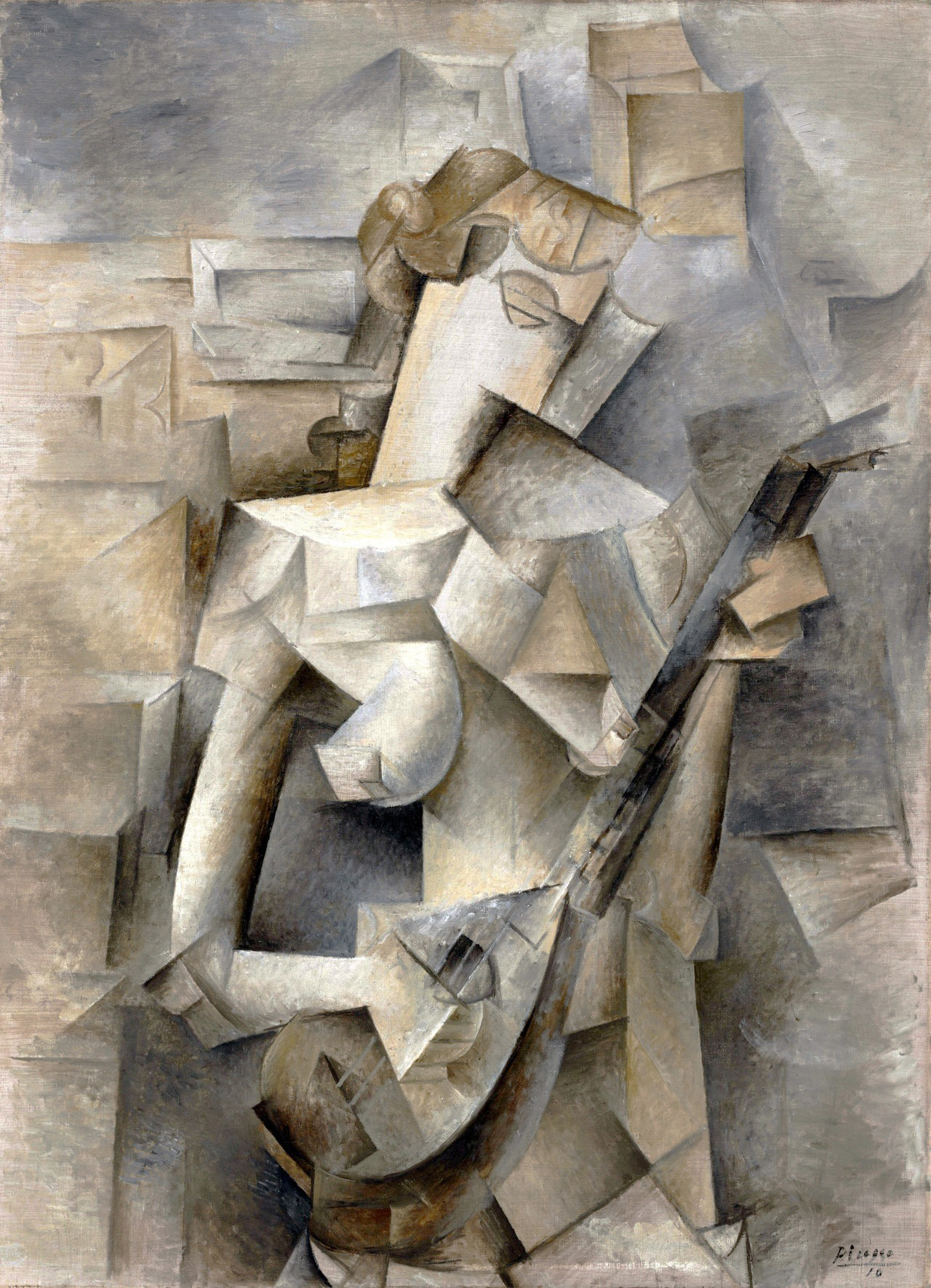
Cubism is an art form from the early 20th-century. It was especially used in paintings, by artists such as Pablo Picasso and Georges Braque. This style made use of an unusual perspective with multiple viewpoints at once, with figures made of geometric shapes and interlocking planes. I enjoy this art style because it is quite free from the rules set by many other art forms. Cubism is a bit more free and creative, as it isn’t natural and skews the perception of reality.
Resources:
Futurism
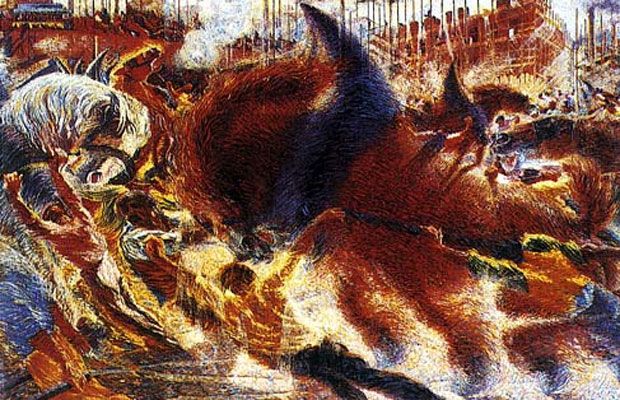
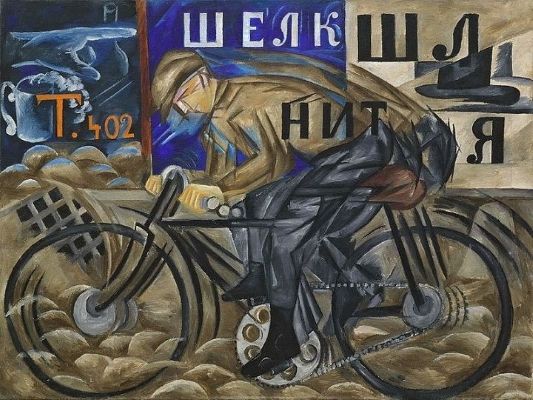
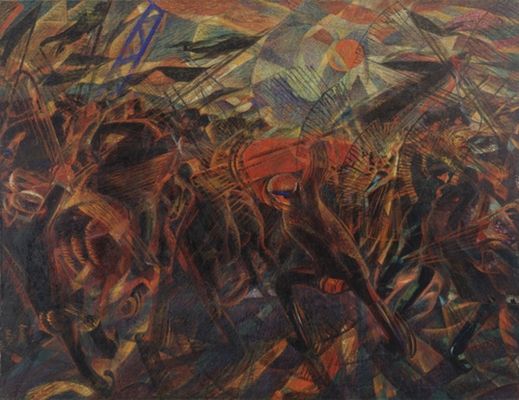
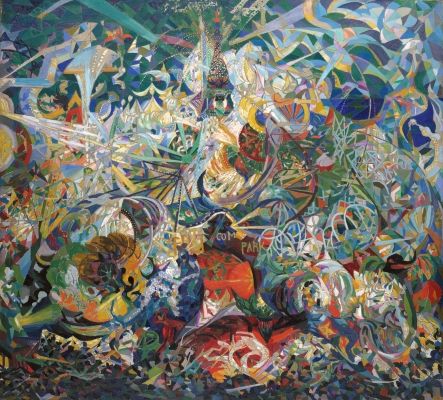
Another style from the early 20th-century, futurism was based on a focus on movement, energy, and speed. The modern mechanical age was a huge influence, encouraging use of industrial characteristics. Filippo Marinetti started this movement when he published his work, Les mots en liberté, on the front page of the Paris newspaper Le Figaro. Looking at this, it very much reminded me of the work we did with letters and words in figure ground and expressive words this semester. The words were used to create a design with energy, motion, and expression. I think that all graphic design, even if it is just words, is meant to express an idea in a certain way or with a certain emotion or feeling.
Resources:
Dada
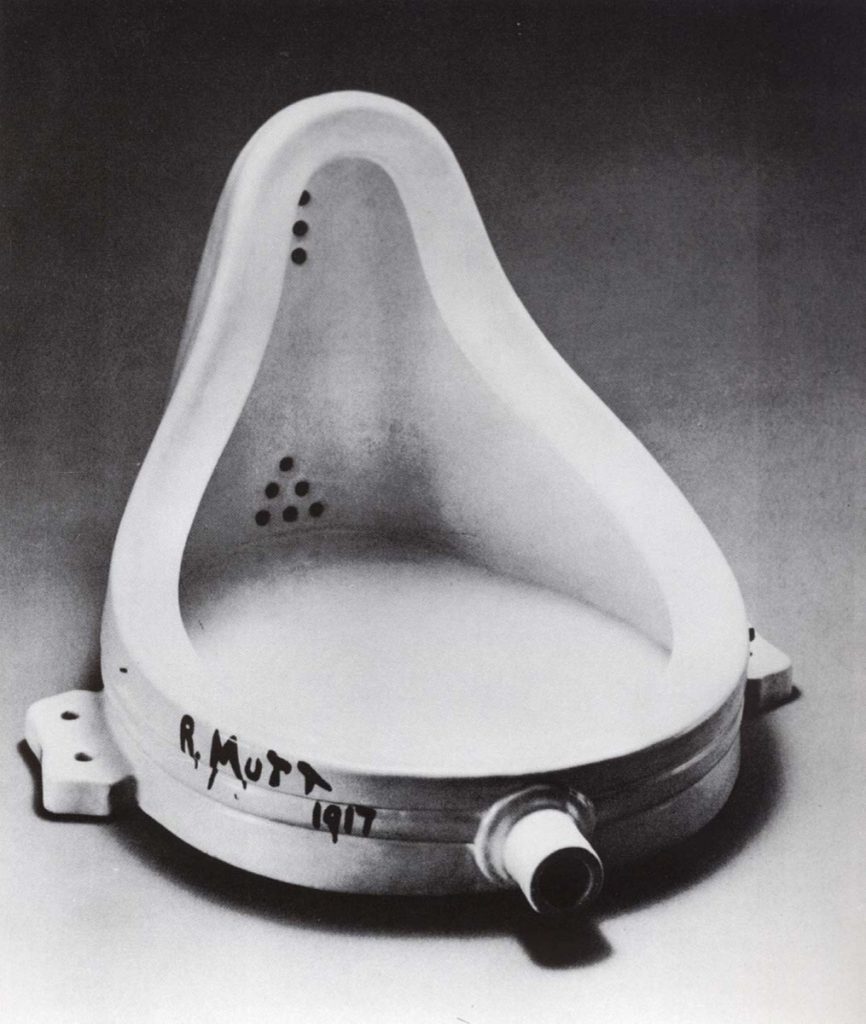
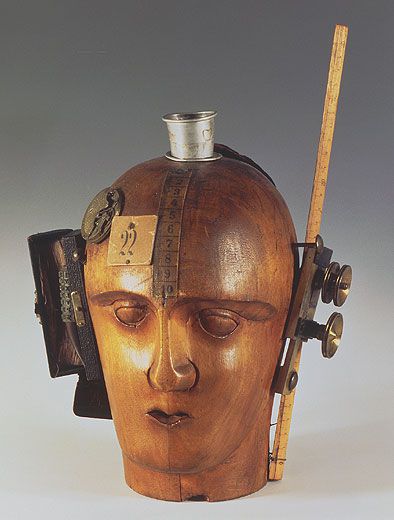
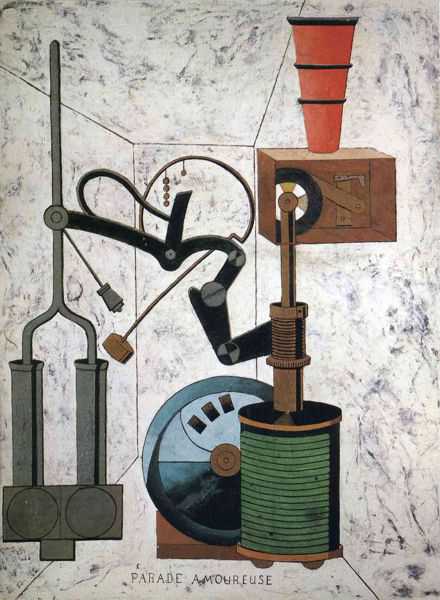
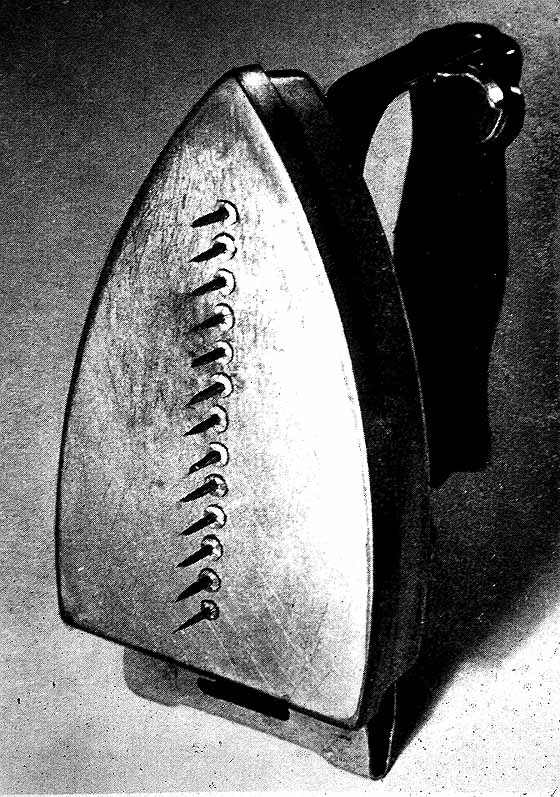
Dada is something that I have never heard of before, yet I think it is one of my favorites from this reading. The unfortunate circumstances of the world during this time (World War I), led certain artists to start this art movement. Despite the awful origin and reasoning for its development, Dada is quite funny and almost whimsical to me. It is a blatantly clear representation of why many people “do art” in the first place: to escape reality, cope, or express in a way that is comfortable and meaningful. I like the art that came from this movement because it was satirical and nonsensical, abandoning all art tradition and moving in the opposite direction. We often look back on history and repeat it, but the artists of this movement decided to do something completely different in an effort to cope with the horrors of the world at that time.
Resources:
Surrealism
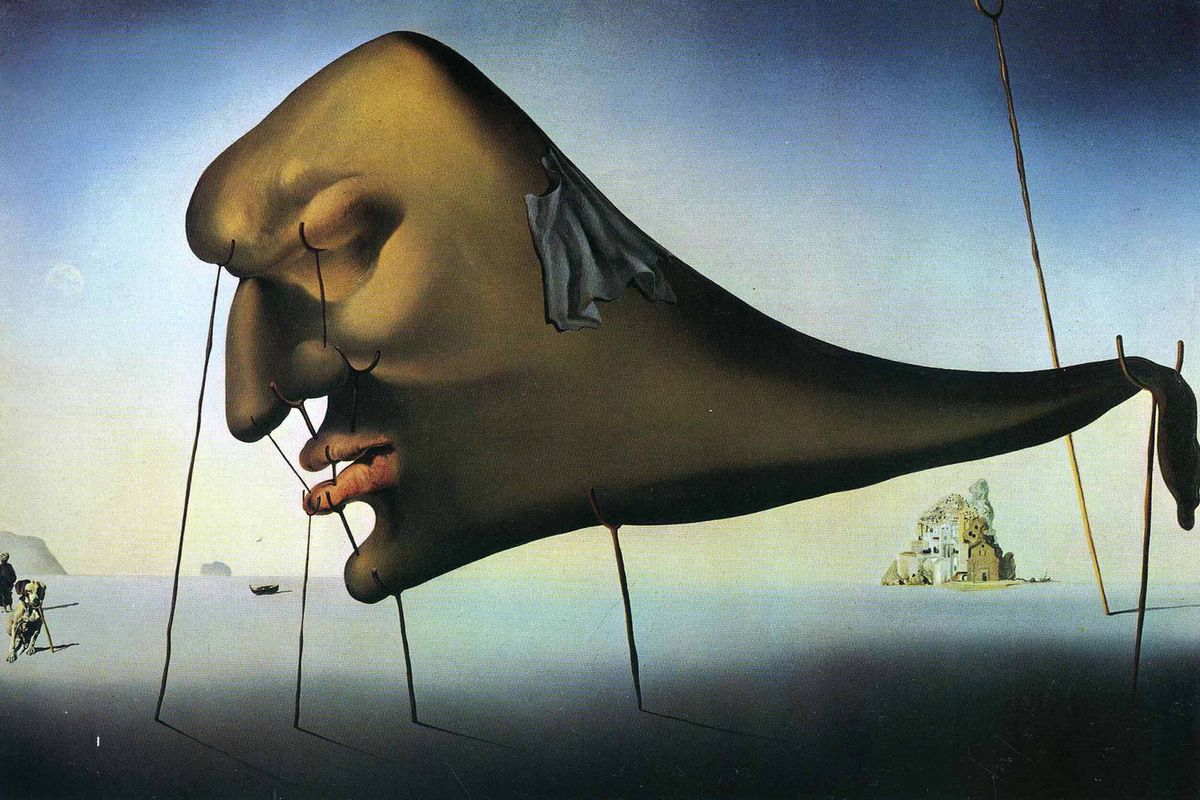
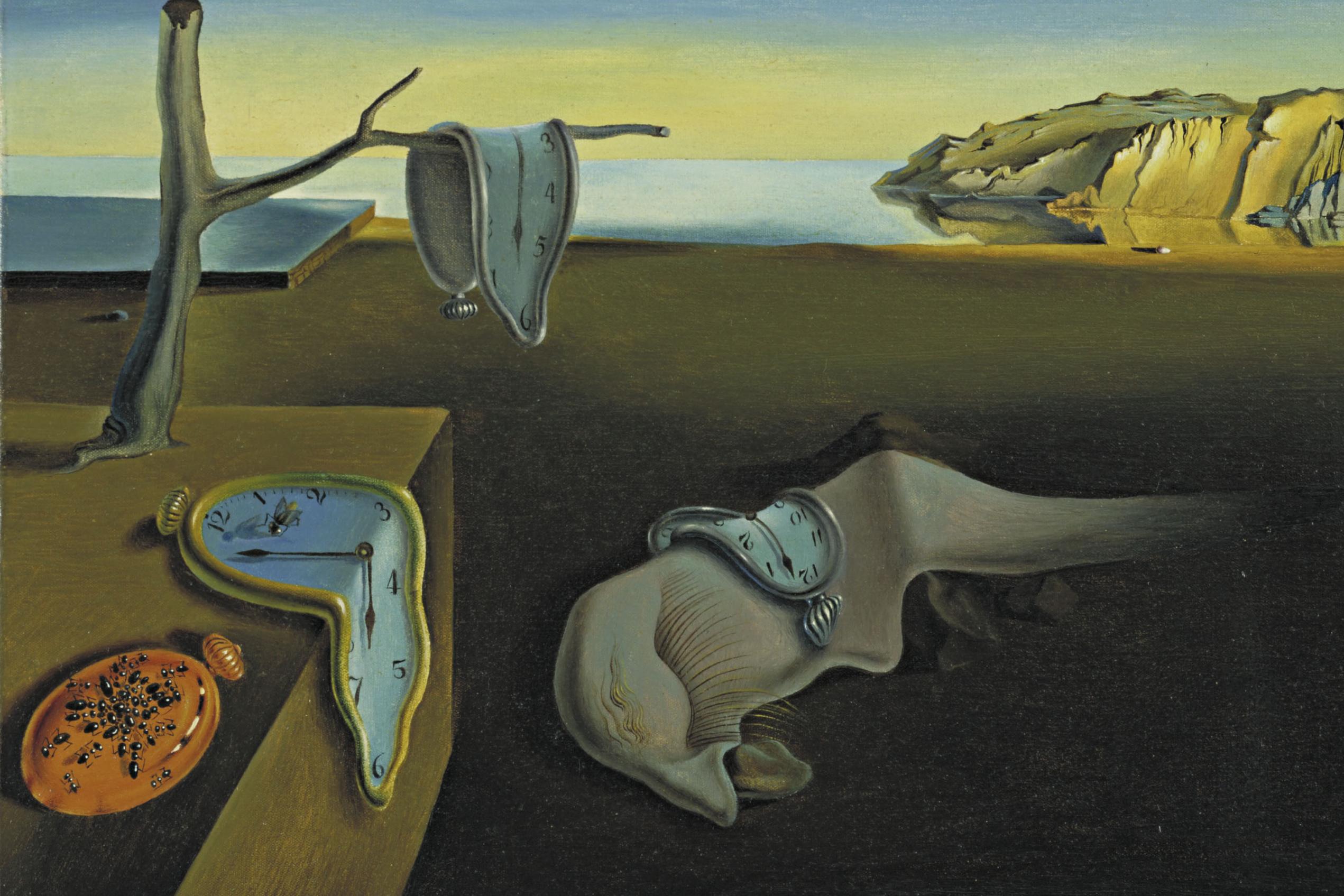
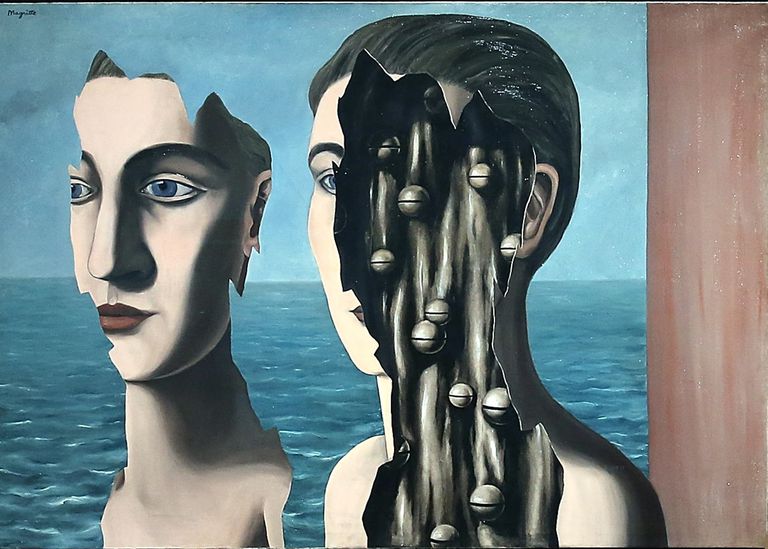
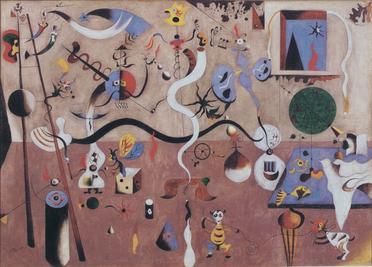
Surrealism is one of my all time favorite art movements. I have always been interested in the mind, and anything that has a psychological factor. The Surrealism movement deals with the subconscious and irrational significance of imagery. Some of my favorite characteristics of this style are symbolic images, bizarre scenes made of ordinary objects, visual puns, and biomorphic shapes. The reason I find this so interesting and enjoyable is because it uses an irrational viewpoint and touches on the unexpected and bizarre characteristics of the subconscious.
Resources:
Conclusion
It is very clear that graphic design and art are influenced by history. In the moment, artists are influenced by the circumstances around them. This can carry forward in time as well, as future artists will look to the past for inspiration and guidance in their art and design. Looking back on history, we can see that certain circumstances can even influence designers to go completely against the historical traditions and create something opposite and new.
